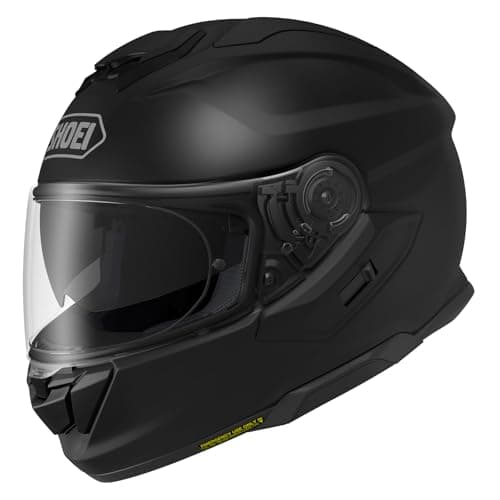
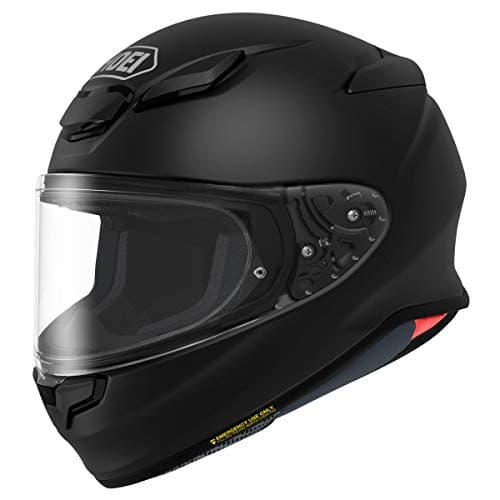
Both wear the Shoei badge, both are excellent, and they're built for different riders. The GT-Air 3 is the touring full-face with a drop-down sun visor and clean comms; the RF-1400 is the lighter, sportier, Snell-certified default. The question is simple: do you want the sun visor, or do you want the lower weight?
Certification: the RF-1400 carries Snell; the GT-Air 3 is DOT-only in the US
The RF-1400 is a DOT + Snell M2025 build (its European twin, the NXR2, is 5/5 SHARP). The US GT-Air 3 is a DOT build— the ECE 22.06, 5/5 SHARP GT-Air 3 is the European unit, not the US one. So on the US helmets, the RF-1400 carries the extra Snell certification the GT-Air 3 doesn't. If certification leads and you're choosing between these two Shoeis, the RF-1400 has the stronger US mark.
The sun visor is the GT-Air 3's whole pitch
If you commute into low sun, the GT-Air 3's drop-down internal sun visoris the deciding feature — flip it down and you're shaded without swapping shields, which the RF-1400 can't do. Pair it with the GT-Air 3's purpose-built Sena SRL comms channel and it's the far more practical daily and touring helmet. The RF-1400 asks you to carry a tinted shield or wear sunglasses instead.
Weight and quiet
The RF-1400 is the lighter helmet at around 1,385 g versus the GT-Air 3's ~1,774 g— a real difference you feel on a long day, and the reason the RF-1400 is the sportier, more agile-feeling lid. Both are quiet by full-face standards; the RF-1400's wind-tunnel work and airtight window beading make it excellent, while the GT-Air 3 trades a little for its sun visor and touring build. Neither will disappoint on noise.
Who each helmet is really for
The cleanest way to think about these two is by use case rather than spec. The GT-Air 3 is the commuter and tourer's helmet: the sun visor earns its keep every time you ride into a low morning or evening sun, the comms integration keeps navigation and calls clean, and the touring quiet makes a daily grind bearable. The RF-1400 is the sport and sport-touring rider'shelmet: lighter on your neck through a set of corners, more agile-feeling, and with the extra Snell certification that appeals to riders who push harder. A rider who does both can be happy with either, but most people lean clearly one way once they're honest about their typical ride.
It's worth noting that these are close enough in price that you're not really buying one to save money over the other — you're buying the format and features that match your riding. If you genuinely can't decide, ask yourself how often you actually ride into blinding sun: if the answer is "regularly," the GT-Air 3's sun visor will quietly improve every one of those rides, and that's usually the tiebreaker.
The verdict
Want a sun visor, clean comms and maximum daily practicality, and DOT satisfies you? The GT-Air 3. Want the lighter, Snell-certified, sportier helmet and don't need the sun visor? The RF-1400. This one really is that clean a split — the sun visor and the ~390 g weight difference decide it. Read the GT-Air 3 review and RF-1400 review for more.