PILLAR · SAFETY
Helmet Safety & Certification
The one thing most helmet reviews leave out, explained in plain English. What each mark tests, which are independent, and why the US box may not match the European review.
This is the part of buying a helmet that everyone finds boring and nobody should skip. The certification on the shell is the only objective safety information you get before you crash — everything else is comfort, noise and looks. And it's genuinely confusing, because four different marks (DOT, ECE, Snell, SHARP) mean four different things, some are self-certified and some are independently lab-tested, and the US and European versions of the same helmet frequently carry different ones.
The short version: DOTis the US legal minimum and it's self-certified — the manufacturer declares compliance, and NHTSA only spot-checks after the fact. ECE 22.06 is the current global gold standard, independently type-tested, and the first mainstream standard to test for rotational injury. Snell M2025 is a voluntary, independently-tested add-on that favors a stiffer shell for high-energy repeat impacts. SHARPis the UK government's independent 1–5 star rating that buys helmets off the shelf and impact- tests them — the closest thing to a consumer-report crash score that exists.
The guides below take each of these apart, and explain the trap that catches the most buyers: a helmet you read a glowing ECE 22.06 review of may be sold in the US as a DOT or Snell build, sometimes under a different name. Start with the DOT vs ECE vs Snell explainer, then use the marks in every roundup on this site to shop with your eyes open.
Go deeper
Everything in helmet safety & certification
- Explainer
Explainer
DOT vs ECE vs Snell vs SHARP: Helmet Certifications Explained
The pillar explainer: DOT (self-certified US floor), ECE 22.06 (independent gold standard), Snell M2025 D/R, and SHARP stars - plus the US-vs-EU homologation trap.
- Explainer
Explainer
ECE 22.06 Explained
What ECE 22.06 adds over 22.05 - rotational testing, more impact points and speeds, and accessory/mechanism testing - plus P/J modular homologation and the US-availability caveat.
- Explainer
Explainer
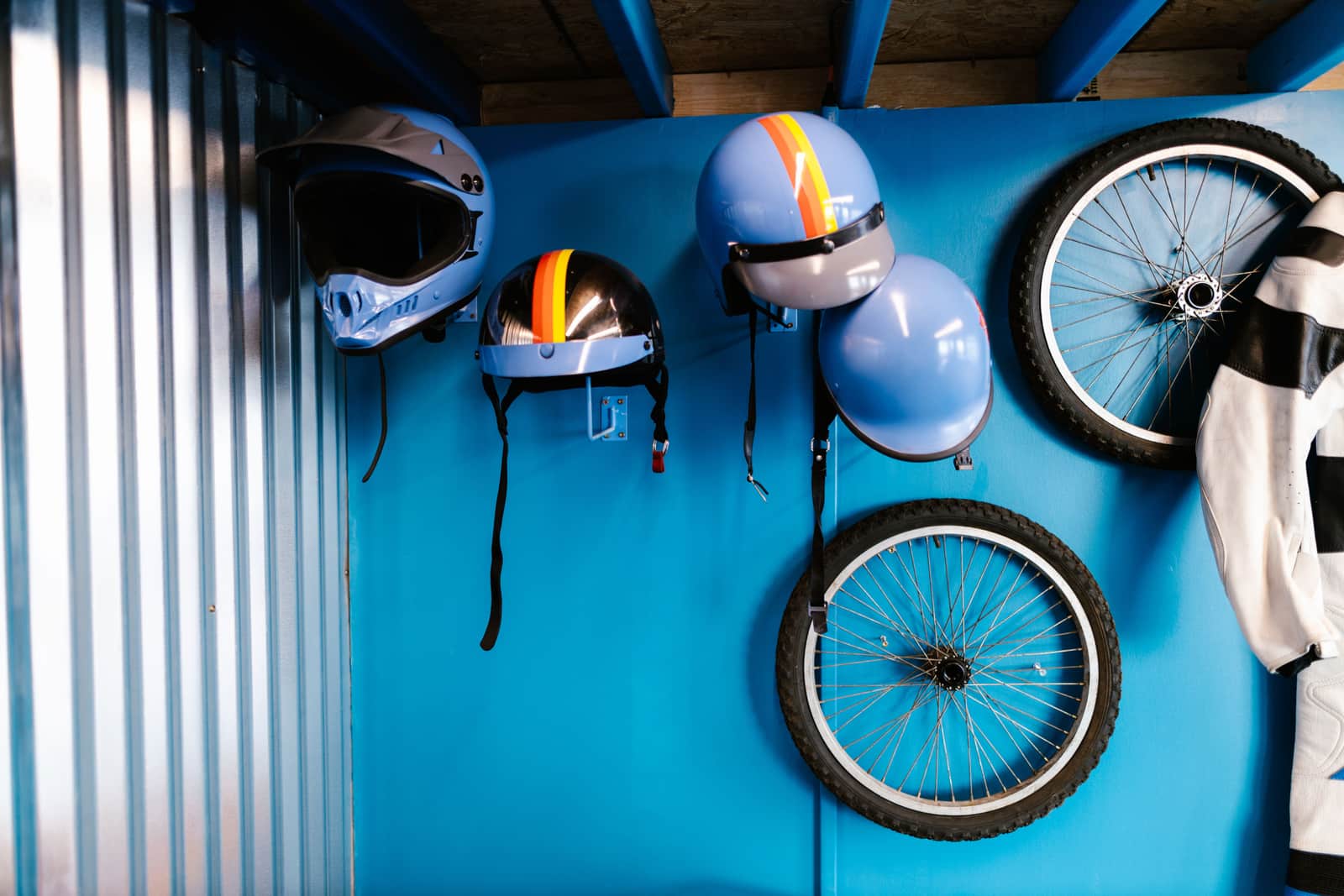
Types of Motorcycle Helmets
Full-face, modular, adventure, open-face and half helmets - pros, cons, who each suits, and how certification (P/J, fitted-peak testing, DOT-only half helmets) interacts with each type.
Explainer
AGV K6 S Safety Rating Explained
Genuine US DOT + ECE 22.06 and a perfect 5/5 SHARP score. What the SHARP rating measures, why it leads its class, and how to read it.

Explainer
HJC RPHA 91 Safety Rating Explained
ECE 22.06 with P/J homologation and a 4/5 SHARP score. What P/J means for a modular, what SHARP measures, and why it out-certifies pricier flip-ups.
Explainer
Shoei Neotec 3 Safety Rating Explained
The US Neotec 3 is a DOT build; the European Neotec 3 is ECE 22.06 P/J and 5/5 SHARP. What the US-vs-EU split means for the helmet you buy.
Explainer
Bell MX-9 Adventure Safety Rating Explained
Genuine DOT + ECE 22.06, a MIPS rotational layer, and an independent 4/5 SHARP score. Why it's the most documented safety per dollar in adventure.
Explainer
Shoei RF-1400 Safety Rating Explained
US RF-1400 is DOT + Snell M2025; its European twin, the NXR2, holds a 5/5 SHARP score. What each mark means for the helmet you buy.
Explainer
Klim Krios Pro Safety Rating Explained
Genuine US DOT + ECE 22.06 in a full-carbon shell — a rarity for a US-sold ADV helmet. What that certification means and why it stands out.
Explainer
HJC RPHA 1N Safety Rating Explained
DOT + ECE 22.06 AND FIM racing homologation — a certification almost no street helmet carries. What FIM adds over ECE 22.06.
Explainer
Arai XD-5 Safety Rating Explained
US XD-5 is DOT + Snell M2025D; its European twin, the Tour-X5, is ECE 22.06 and 4/5 SHARP. What the US-vs-EU split means for the helmet you buy.
Explainer
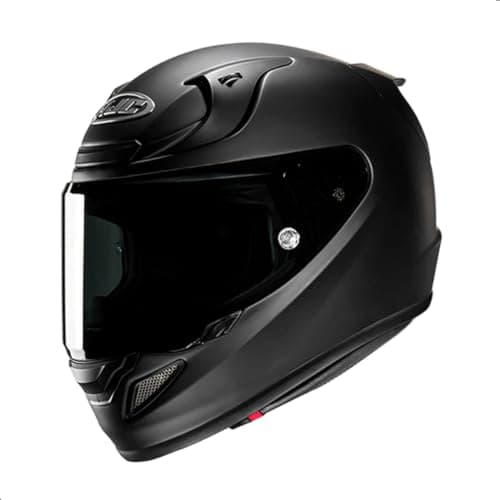
HJC RPHA 12 Safety Rating Explained
Genuine DOT + ECE 22.06 in a ~1,474 g PIM EVO composite shell, with no SHARP score and no Snell certification. What each absence actually means.
Top pick: HJC RPHA 12
$219.98View on Amazon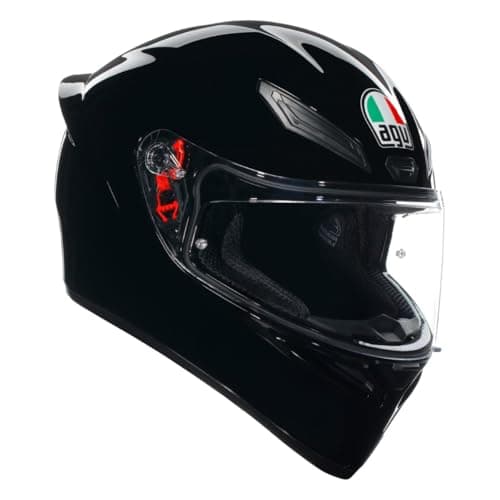
Explainer
AGV K1 S Safety Rating Explained
Genuine US DOT + ECE 22.06 in a ~1,600 g thermoplastic shell, with no SHARP score and no Snell. Where it matches the K6 S, and where it does not.
Top pick: AGV K1 S
$212.44View on Amazon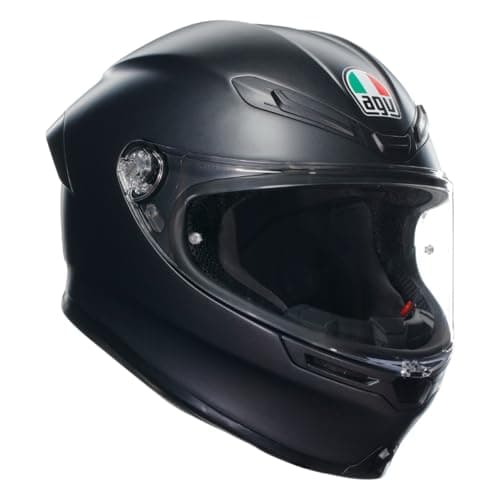
Explainer
Helmet Shell Materials Explained
What carbon fiber, composite, thermoplastic and polycarbonate shells actually change: about 350 g and a lot of money, not the certification. Four helmets across the ladder, with the trade-offs on each.
Top pick: AGV K6 S
$599.00View on Amazon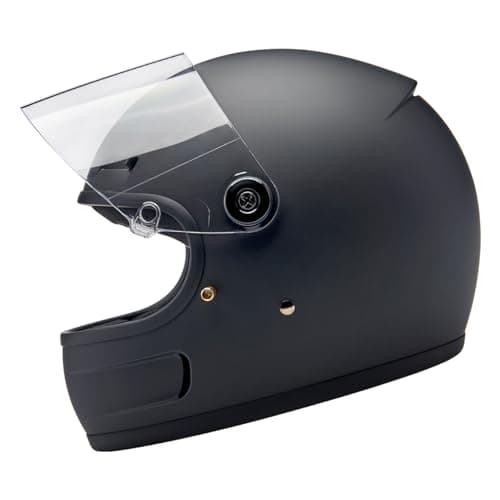
Explainer
Biltwell Gringo SV Safety Rating Explained
Biltwell states DOT FMVSS No. 218 compliance plus ECE R22.06 certification for the Gringo SV, in three shells with five EPS sizes. No SHARP result, no Snell, and a published 3.69 lb - what the look costs.
Top pick: Biltwell Gringo SV
$299.95View on Amazon
Questions