Giving someone a helmet says something a pair of gloves doesn't: I want you to come home. It's also the motorcycle gift with the highest chance of going back, because a helmet only protects the way its certification promises if it fits the rider's head properly. This guide is for the buyer who wants to do it anyway, and do it right. The four helmets below all carry a real certification, sit at a price that doesn't require a flagship budget, and are ones we already cover in depth. Before the picks, though, the part that matters most: how to get the size right.
Live budget check · 4 of 4 picks on this page were $300 or less at the latest price check (Sep 15, 2026).
Step one: get three facts before you buy
Their size, in this brand. Helmet sizes are based on head circumference, but each brand's chart is different, so "a medium" in one brand isn't automatically a medium in another. The most reliable approach is to find out their head measurement in centimeters (our measuring guide shows how) and match it to the chart for the helmet you're buying. If you can't measure without giving the game away, the size label inside their current helmet is a starting point, as long as it's the same brand and it fits them well.
Their head shape. Heads range from round to long oval, and brands build around different shapes. A helmet in the right size but the wrong shape can press on the forehead or leave gaps at the sides. If they already own a helmet they find comfortable, the same brand is the safest bet.
The style they ride. A full-face, a modular (the front flips up) and an adventure helmet (with a peak) suit different riders. Our guide to the types of motorcycle helmets explains the differences in plain English. When in doubt, match the style of the helmet they wear now.
One more thing about the links: the Amazon listing each pick links to opens on one specific size and color. Before you add a helmet to the cart, choose the recipient's size on Amazon. And check the return terms on the order page, because a helmet that doesn't fit needs to go back in new condition - which is a good reason to let them try it on around the house before they ride in it.
What the certification letters mean
You'll see a few marks on these helmets. DOT is the US legal minimum that every street helmet must meet; the manufacturer certifies it themselves. ECE 22.06 is the current European standard, independently lab-tested, and it includes a test for rotational impacts. MIPS is a layer inside some helmets designed to reduce rotational forces. SHARP is a UK government program that buys helmets and crash-tests them, scoring each from one to five stars. For a gift, a helmet with DOT plus ECE 22.06 is the strongest paper trail you can get at this price. Our DOT vs ECE vs Snell explainer goes further.
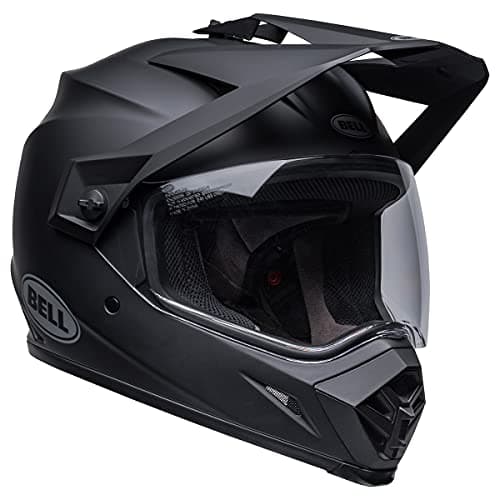
Bell MX-9 Adventure MIPS - the most safety data for the money
Why it lands: this helmet carries US DOT plus ECE 22.06, adds MIPS, and has an independent SHARP score of 4 out of 5 - a combination several far pricier helmets can't show. Who it suits: a rider who wants maximum documented safety and doesn't mind an adventure look; the peak comes off for street riding. Check first: it's not a quiet, luxurious helmet, and it's built from polycarbonate rather than premium composites. Full details in our Bell MX-9 Adventure review.
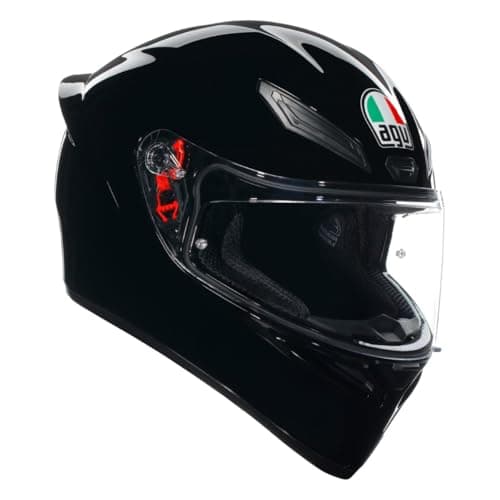
AGV K1 S - genuine ECE 22.06 in a sporty full-face
Why it lands: it's the most affordable way into a genuine DOT + ECE 22.06 helmet from AGV, a brand with racing roots, with a wide field of view and sporty styling. Who it suits: a rider on a sport or naked bike who likes a classic full-face. Check first: AGV's sporty fit runs snug on round heads, it has no drop-down sun visor, and the thermoplastic shell is heavier than premium helmets. See our AGV K1 S review.
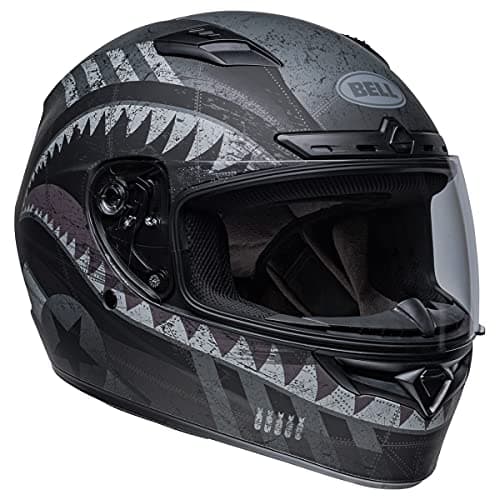
Bell Qualifier DLX MIPS - the feature-packed budget full-face
Why it lands: it comes with a photochromic visor that darkens in sunlight on its own, plus MIPS - two features you rarely find at this price. Who it suits: a commuter or casual rider who rides from daylight into dusk. Check first: this is a DOT helmet with MIPS. Bell lists ECE for the model but doesn't publish which ECE revision the US version carries, so we don't claim 22.06 - if the current European standard matters to them, the AGV K1 S is the better gift. It's also heavy. Our K1 S vs Qualifier DLX comparison sets out the trade-off.
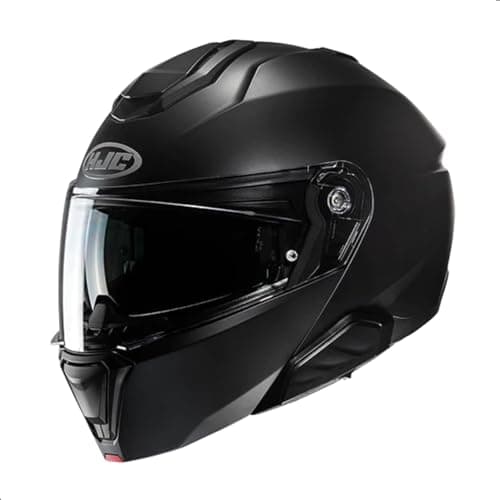
HJC i91 - the budget modular with a sun visor
Why it lands: the whole front of the helmet flips up, which commuters love at gas stations and stoplights, and it has a drop-down sun visor built in. Who it suits: a commuter or touring rider who already wears a modular, or wears glasses. Check first: the US listing is marketed as DOT-approved only; HJC's European version exists with ECE, but we can't confirm which standard the US unit carries, so we don't claim it. It's also on the heavy side. More in our HJC i91 review.
If you don't know their size: better options
If you can't get the three facts, don't guess. A Bluetooth intercom that attaches to the helmet they already own, or a set of small riding essentials, will be used from the first ride - see the best gifts for motorcycle riders. Or give the helmet as a promise: wrap this page, and go shopping together so they can try it on. It's less of a surprise and a much better outcome.
So which helmet?
For the most safety evidence per dollar, the Bell MX-9 Adventure MIPS. For a sport rider who wants a genuine ECE 22.06 full-face, the AGV K1 S. For a commuter who'd love a self-tinting visor, the Bell Qualifier DLX MIPS, with its certification caveat understood. And for a commuter who wants a flip-up front and a sun visor, the HJC i91. Whichever you choose, get the size in that brand first, and check our Black Friday deals page before you buy.