Skip to content
VISOR & VENT

HUB 01 · Adventure & Dual-Sport Helmets

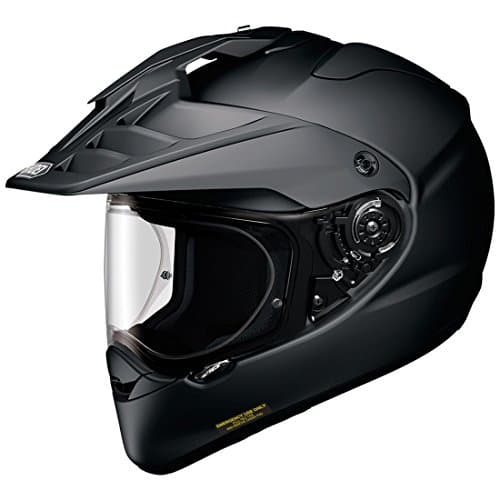
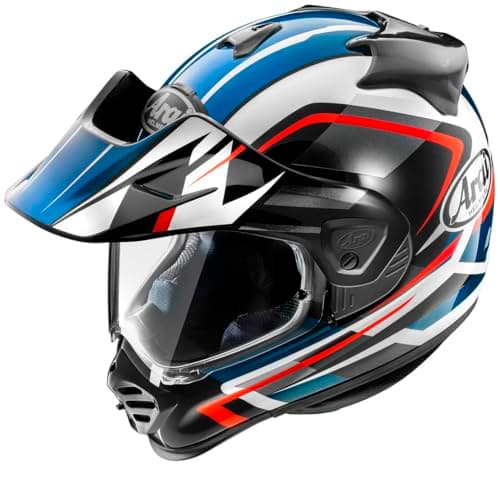
Arai XD-5 vs Shoei Hornet X2

The two premium Japanese Snell ADV touring lids, head to head. Both are road-biased, both are DOT + Snell in the US — so this is really a decision about head shape and peak.

By Stephen V.Updated How we rate
#ad

We earn a commission when you buy through our Amazon links, at no extra cost to you. It never changes a ranking, and we tell you when the cheaper helmet is the better buy. How this works.

If your adventure is mostly pavement and you want a premium Japanese helmet, these are the two you're choosing between. The Arai XD-5 and the Shoei Hornet X2 are both road-biased ADV touring lids, and both are DOT + Snell M2025 builds in the US — so the certification is effectively a wash, and the real decision is about head shape, peak behavior and outright quiet.

Certification: both Snell, effectively level

Both US helmets are DOT + SnellM2025 builds — not ECE 22.06. Snell is a demanding, independently-tested standard tuned for a stiffer shell and high-energy repeat impacts; the European versions of both (the Arai Tour-X5 and Shoei Hornet ADV) are the ECE 22.06 units, but that's not what Amazon ships you in the States. So on certification these two are level, and if you specifically want 22.06, neither is your helmet — the AGV AX9 or Klim Krios Pro is.

Fit shape: the clearest difference

This is where they genuinely diverge. Arai builds a rounderinternal shape, and the XD-5 is the pick for round-oval heads that most rivals pinch — a real comfort advantage if that's your shape. The Hornet X2 runs closer to Shoei's intermediate-oval. Neither is better in the abstract; the better one is the one that matches your head, and this is the single most important thing to get right before any spec.

Peak and quiet

Both have aerodynamic peaks engineered to shed wind rather than lift your head, and both are among the calmer peaked helmets on the highway. The XD-5's peak is a standout for behaving at speed; the Hornet X2 is a touch quieter overall and slightly more road-biased in character. It's close — owners of each rarely feel they chose wrong.

Weight and price

The XD-5 is around 1,683 g, the Hornet X2 around 1,778 g — both mid-pack for ADV, with the Arai the lighter of the two. Both are premium-priced Japanese flagships; expect to pay for the fit, finish and Snell certification. If weight is a priority and you want to drop well below both, a carbon lid is the move, but among these two the XD-5 has the edge.

Finish, shield and everyday use

These are two of the best-finished helmets in adventure, and they express it differently. Arai is famous for hand-built shells and a fit that many riders describe as disappearing on your head once it's dialed in; the XD-5's cheek pads and liner are engineered for long-haul comfort and are fully removable. Shoei counters with its trademark shield mechanism and seal — arguably the best in the business — plus a Pinlock-ready visor for fog-free cold mornings. Both are premium in a way you feel every time you put them on, and both come in enough shell sizes to avoid the oversized look on smaller heads. There is no "cheap-feeling" option here; you're choosing between two flagships.

Because both are premium-priced Japanese lids, price won't break the tie — they land in the same bracket, and you should buy on fit and character rather than chasing a saving. The practical decision comes down to three things: which brand's head shape fits you (round for Arai, intermediate-oval for Shoei), whether you value the XD-5's standout peak behavior or the Hornet's slightly quieter road manners, and which shield system you prefer to live with. Get the fit right first — our measuring guide is the step that makes either helmet's certification real.

The verdict

Have a round-oval head, or want the lighter helmet with the standout peak? The Arai XD-5. Want the slightly quieter, most road-biased of the pair, and Shoei's shape fits you? The Shoei Hornet X2. Both are excellent Snell ADV touring helmets — let head shape make the call. Read the XD-5 review and Hornet X2 review for the full detail.
The short answer

Quick picks, by the mark on the shell

#HelmetCertificationScorePrice
01
Arai Arai XD-5 (Tour-X5)
Arai XD-5 (Tour-X5)

The reference ADV lid for round-oval heads and long days — a Snell build in the US, with a peak that actually behaves at speed.

DOT certifiedECE 22.06not heldSnell M2025D certified
8.2
$899.00Amazon
02
Shoei Shoei Hornet X2 (Hornet ADV)
Shoei Hornet X2 (Hornet ADV)

The quiet, road-biased ADV helmet: a Snell build that behaves more like a touring lid than a dirt lid.

DOT certifiedECE 22.06not heldSnell M2025 certified
8.0
$714.59Amazon

#ad · Live prices from the Amazon Product API, as of Aug 4, 2026. Certifications reflect the US-market build and are cited in Sources. Where a live price has rotted, we show none.

In detail

The picks, in full

01
Arai Arai XD-5 (Tour-X5)

Long-haul ADV touring

Arai XD-5 (Tour-X5)

DOT certifiedECE 22.06not heldSnell M2025D certified
Super-fiber composite~1,683 gSnell M2025D (US)Removable peak
8.2/10

The reference ADV lid for round-oval heads and long days — a Snell build in the US, with a peak that actually behaves at speed.

Certification
8.5
Fit range
9
Wind/peak
8.5
Weight
7.5
Value
7.5

Pros

  • Snell M2025D in the US market — a stricter add-on to DOT, not just the legal floor
  • Arai's rounder internal shape fits round-oval heads most rivals pinch
  • Peak is engineered to shed wind rather than lift your head at highway speed

Cons

  • Premium price, and the US version is not the ECE 22.06 you may have read about abroad
  • Heavier than a carbon ADV lid like the Krios Pro

Don't buy this if…

you specifically want ECE 22.06 rotational-test homologation in the US — the US XD-5 is a Snell build; buy the European Tour-X5 direct for 22.06.

$899.00View on Amazon

Price as of Aug 4, 2026. Prices change — Amazon's at checkout is the one that counts.

#ad · we may earn a commission from this link to Arai XD-5 (Tour-X5)

02
Shoei Shoei Hornet X2 (Hornet ADV)

Road-biased adventure touring

Shoei Hornet X2 (Hornet ADV)

DOT certifiedECE 22.06not heldSnell M2025 certified
AIM+ composite~1,778 gSnell M2025 (US)Aerodynamic peak
8.0/10

The quiet, road-biased ADV helmet: a Snell build that behaves more like a touring lid than a dirt lid.

Certification
8.5
Quiet
8.5
Wind/peak
8
Weight
7.5
Value
7.5

Pros

  • One of the quieter peaked ADV helmets on sealed roads
  • Shoei fit and finish; excellent shield seal
  • Snell certification on top of DOT

Cons

  • Peak generates more lift off-road than the newer Arai
  • No ECE 22.06 rotational-test homologation on the US build

Don't buy this if…

your riding is genuinely 50/50 or more off-road — a lighter, more dirt-focused lid will serve you better.

$714.59View on Amazon

Price as of Aug 4, 2026. Prices change — Amazon's at checkout is the one that counts.

#ad · we may earn a commission from this link to Shoei Hornet X2 (Hornet ADV)

How we picked

We do not crash-test helmets

We compiled published specifications, cited each helmet's certification (DOT, ECE 22.06, Snell, SHARP) from the standards body or manufacturer homologation, and aggregated owner reports, then scored against a published method. The scores are judgments from documented research — not measurements we took. We do not run a crash lab. Certifications reflect the US-market build; where it differs from the European version, we say so and cite it.

Questions

Frequently asked

Are the Arai XD-5 and Shoei Hornet X2 ECE 22.06?
No — both US helmets are DOT + Snell M2025 builds, not ECE 22.06. Their European counterparts (the Arai Tour-X5 and Shoei Hornet ADV) carry ECE 22.06, but the US versions are Snell builds. If you want 22.06 in an ADV helmet, look at the AGV AX9 or Klim Krios Pro.
Which fits a round head better, the XD-5 or Hornet X2?
The Arai XD-5 — Arai builds a rounder internal shape, and the XD-5 is the pick for round-oval heads that most rivals pinch. The Shoei Hornet X2 runs closer to intermediate-oval. Match the helmet to your head shape; it matters more than any other spec here.

Keep reading

Receipts

Sources

We do not run a crash lab, and we do not pretend to. Certifications are cited to the standards body or the manufacturer's stated homologation; where a US model's certification differs from its European namesake, we say so. Where we could not verify something, we say so on the page rather than quietly leaving it out. Read our full method.