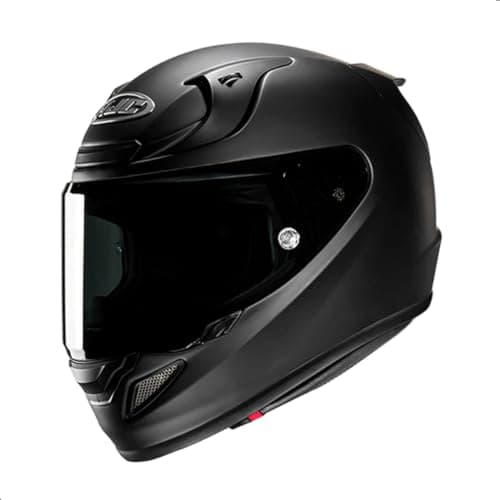
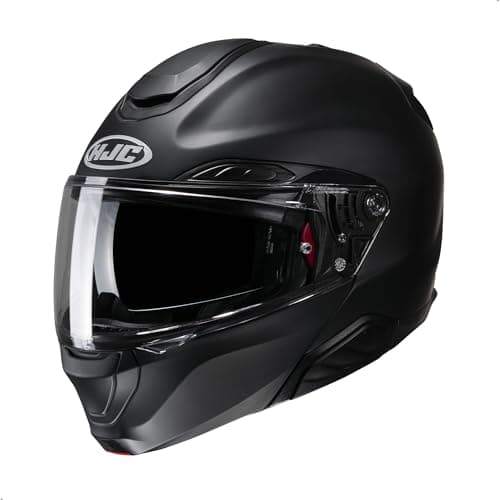
Both wear the RPHA badge and both carry genuine ECE 22.06, but they're built for opposite riders. The RPHA 12 is a light sport-touring full-face; the RPHA 91 is our top touring modular with a flip-up chin bar, a sun visor and an independent SHARP score. The decision is format and use case, not the mark on the shell.
Certification: both 22.06, the 91 adds P/J and SHARP
Both hold genuine DOT + ECE 22.06. The RPHA 91 adds two things the sport RPHA 12 doesn't: P/J homologation (approved to ride with the chin bar up, which a modular needs) and an independent 4/5 SHARPscore. The RPHA 12 isn't SHARP-tested. So on independent data the modular is ahead, though both hold the current road standard.
Format: sport one-piece vs touring flip-up
This is the real decision. The RPHA 12 is a one-piece sport full-face — lighter (~1,474 g), no sun visor, built for covering sporting miles. The RPHA 91 is a flip-up modular (~1,740 g) with a drop-down sun visor and clean comms, built for touring and commuting. If you want to lift the chin bar at stops and have a sun visor, the 91; if you want the lightest, most sporting one-piece, the 12.
Weight, quiet and comfort
The RPHA 12 is the lighter and more overtly sporty; the RPHA 91 is heavier but more practical for all-day touring, with the sun visor and flip-up convenience that make long, stop-start days easier. Both are HJC value helmets that punch above their price. Which is more comfortable depends entirely on whether you're riding sport or touring.
The verdict
Want a light sport full-face for spirited road riding? The RPHA 12. Want a touring helmet you can flip open, with a sun visor and an independent SHARP score? The RPHA 91 — our top modular pick. Same brand, same current certification, two different jobs. Read the RPHA 12 review and RPHA 91 review.
How we picked
We compiled published specifications, cited each helmet's certification (DOT, ECE 22.06, Snell, SHARP) from the standards body or manufacturer homologation, and aggregated owner reports, then scored against a published method. The scores are judgments from documented research — not measurements we took. We do not run a crash lab. Certifications reflect the US-market build; where it differs from the European version, we say so and cite it.