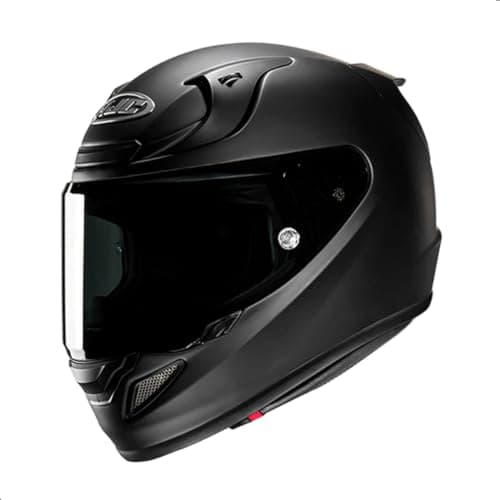
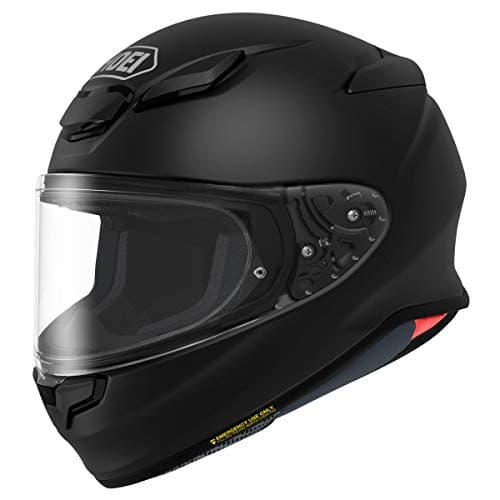
The Shoei RF-1400 is the sport-touring default for good reason, but the HJC RPHA 12 is a genuine value challenger — lighter on the wallet, with the current certification. Both are light sport-touring full-face helmets, and the decision comes down to certification philosophy, refinement and price.
Certification: RPHA 12 carries current 22.06; RF-1400 is Snell
The RPHA 12 holds genuine ECE 22.06 — the current rotational standard. The US RF-1400 is a DOT + Snell M2025 build (its European NXR2 twin is 5/5 SHARP). So they hold different standards: the HJC the current ECE, the Shoei a demanding Snell build. Neither is universally safer; if you specifically want the current 22.06 rotational test on the US helmet, the RPHA 12 has it.
Weight: a near tie
Both are light. The RF-1400 is around 1,385 g, the RPHA 12 around 1,474 g— the Shoei is the lighter by a small margin, and both are well under a touring helmet. Weight won't decide this one.
Refinement and quiet: the RF-1400's edge
This is where the Shoei earns its default status. The RF-1400 is wind-tunnel-developed with an airtight window-beading system, and it's one of the quieter full-face helmets you can buy, with Shoei's shield mechanism and finish a notch above. The RPHA 12 is good — aero shell, rear spoiler — but the RF-1400 is the more refined, quieter helmet. For a rider who values that, it justifies its price.
Price and value
The RPHA 12 typically undercutsthe RF-1400, and it counters the Shoei's refinement with the current certification and a Pinlock-ready shield for less money. So the RF-1400 is the more refined, quieter default; the RPHA 12 is the value pick that gives up some polish for the current standard and a lower price.
The verdict
Want the quietest, most refined sport-touring default, and a Snell build satisfies you? The Shoei RF-1400. Want genuine ECE 22.06 and a light shell for less money? The HJC RPHA 12. Both are excellent light sport-touring lids — read the RPHA 12 review and RF-1400 review.
How we picked
We compiled published specifications, cited each helmet's certification (DOT, ECE 22.06, Snell, SHARP) from the standards body or manufacturer homologation, and aggregated owner reports, then scored against a published method. The scores are judgments from documented research — not measurements we took. We do not run a crash lab. Certifications reflect the US-market build; where it differs from the European version, we say so and cite it.