HUB 06 · Buying Guides & How-To
How to Make Your Helmet Quieter
Most helmet noise comes from air, not the engine — and most of it is fixable without a new helmet. Here are the changes that actually cut wind noise, from the one that dwarfs all the others down.
We earn a commission when you buy through our Amazon links, at no extra cost to you. It never changes a ranking, and we tell you when the cheaper helmet is the better buy. How this works.

Wind noise is the thing riders complain about most, and the good news is that most of it is fixable without buying a new helmet. Above about 40 mph, the dominant noise a rider hears is aerodynamic — air, not the engine — and it gets in through gaps and turbulence. That means the fixes are about sealing, airflow and protection, most of them cheap. Here they are in order of how much they actually help.
By far the biggest fix: earplugs
Nothing else on this page comes close. A good set of filtered earplugs cuts 15-25 dB — a bigger reduction than the difference between the quietest helmet on the market and an average one. On the decibel scale, where every 3 dB doubles the noise energy, that's enormous. Filtered "musician" or motorcycle-specific plugs cut the harmful wind roar while still letting you hear your intercom and other traffic. If you take one thing from this guide: wear earplugs on every ride. It's the cheapest, most effective, and most important change you can make, and the one that actually protects your hearing — see our quiet-helmet guidefor why even the quietest helmet doesn't.
Look at your windscreen before you blame the helmet
This is the surprise. Research at the University of Southampton's Institute of Sound and Vibration Research found that turbulence coming off the top edge of a motorcycle's windscreen is a primary noise source — and that a helmet which is quiet on one bike can be noisy on another. A screen that puts the turbulent air right at helmet height is the worst case. Try riding the same road with your screen at its lowest setting, then its highest, then (if legal and removable) without it. If one is clearly better, you've just cut your noise for free — and you now know whether to prioritize neck sealing (low screen) or visor sealing (high screen).
Seal the neck
Most of the air that becomes noise comes up from underneath. A deep, snug neck roll and a fitted chin curtain block it — the Southampton work found improved neck sealing alone cut noise by 5-8 dB on a bike with a low screen. If your helmet came with a chin curtain and you removed it, refit it. A snug-fitting collar or a neck tube (buff) can help seal the gap too. This is the single most effective helmet-side change after earplugs.
Check the fit and the visor seal
A helmet that's a half-size too big leaks air at the neck and lets the shell move in the wind, both of which add noise — which is why our sizing guideis part of any noise fix. And make sure your visor closes fully into its seal; a visor that isn't latched to the last detent, or a worn seal, whistles. On a bike with a tall screen, where turbulence hits around eye level, visor sealing was worth the same 5-8 dB in the Southampton research as neck sealing was on a naked bike.
Close your vents (and know your helmet)
Open top vents whistle on some helmets — if yours is louder with the vent open, close it at highway speed and see. And accept that helmet design sets a floor: a peaked adventure lid will always be louder than a sealed touring helmet, no matter what you do, because the peak catches air. If you've done everything above and still find your helmet loud, it may genuinely be a noisy shell on your bike — but far more often, the fixes above solve it. See which helmets measure quietest in our quietest helmets guide.
Helmet-specific noise sources to check
If your helmet is louder than it should be, a few model-specific culprits are worth a look. A peaked adventure helmet catches air by design — the peak is a noise source no fix fully removes, which is why the quietest lids are sealed touring helmets rather than ADV ones. A flip-up modularhas a chin-bar seam that can whistle if the seal is worn or the chin bar isn't latching fully home; make sure it clicks shut completely. And a comms unit or a poorly-fitted external accessory can create turbulence of its own. Knowing your helmet type sets your expectations: a genuine touring helmet like the Shoei Neotec 3 starts quiet, while a peaked ADV lid never will, no matter what you do.
It's also worth ruling out a worn eyeport seal or a visor that isn't closing to its last detent — both let air whistle in right at eye level. A quick check that the visor latches fully and the rubber gasket is seated (see fixing a loose or rattling visor) can cure a whistle you'd otherwise blame on the whole helmet.
The bottom line
Wear earplugs, sort your windscreen height, seal the neck, get the fit right, and close a whistling vent — in that order. Together those cost very little and cut far more noise than swapping helmets usually does. A quiet helmet is worth having, but it's the last and smallest step here, not the first.
Low-cost add-ons
Small stuff that actually helps
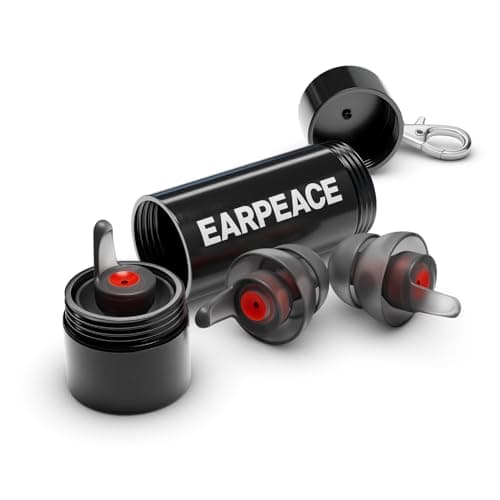
Cutting wind roar on long highway days
EarPeace Moto Motorcycle Ear Plugs
Reusable plugs built for riders rather than repackaged industrial foam — and earplugs are the cheapest meaningful change you can make to helmet noise.
Skip it if you rely on quiet cues at low speed, or your state restricts earplug use while riding — check the law where you ride before you buy.
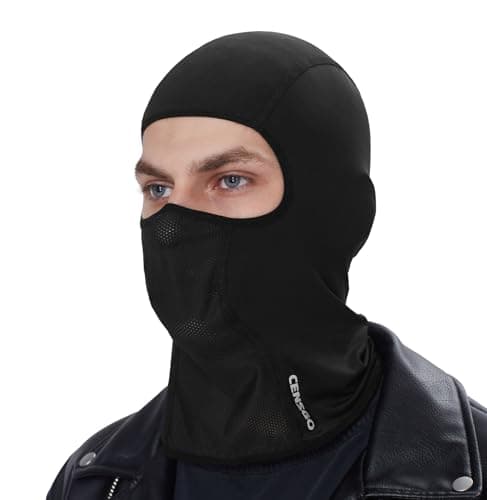
Keeping the liner clean and fine-tuning a slightly loose fit
CENSGO Motorcycle Balaclava / Helmet Liner
A thin under-helmet layer that keeps sweat and hair oil out of a liner you cannot easily wash — and takes up just enough room to settle a helmet that sits a shade loose.
Skip it if your helmet is already at the tight end of correct — a balaclava does not help in that direction, and cheek pads are the proper adjustment.
#ad · Prices as of Sep 18, 2026, pulled live from Amazon; where we have no verified price we show none. We may earn a commission.
Questions
Frequently asked
What's the best way to make a motorcycle helmet quieter?
Does the windscreen really affect helmet noise?
Will a new helmet fix wind noise?
Keep reading
Related
Receipts
Sources
We do not run a crash lab, and we do not pretend to. Certifications are cited to the standards body or the manufacturer's stated homologation; where a US model's certification differs from its European namesake, we say so. Where we could not verify something, we say so on the page rather than quietly leaving it out. Read our full method.