HUB 06 · Buying Guides & How-To
Photochromic vs Tinted vs Clear Visors
One visor can't do everything — unless it changes tint automatically. Here's how clear, tinted and photochromic shields compare, what a photochromic visor can and can't do, and when a sun visor beats all three.
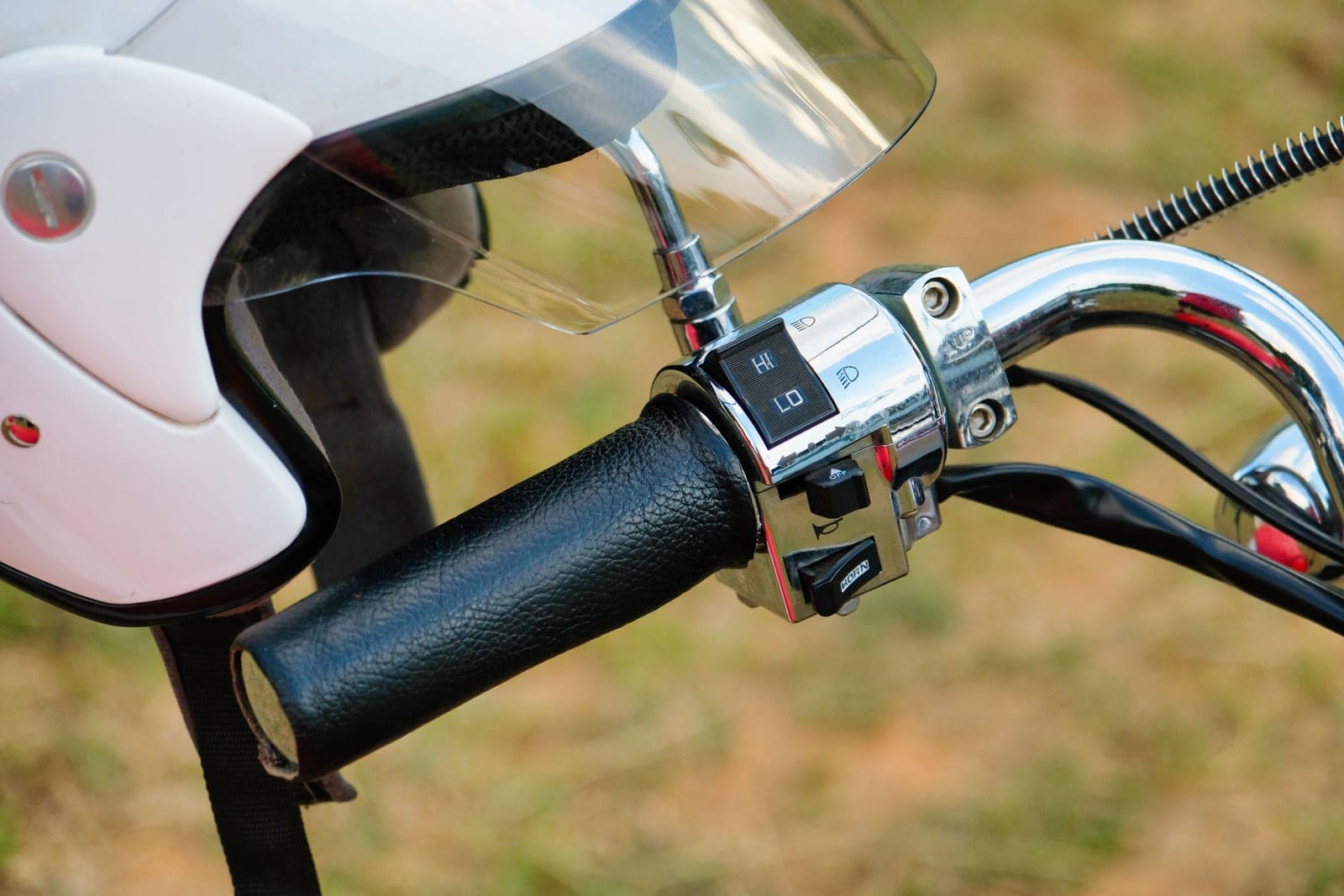
A visor is the one thing between your eyes and the world, and the tint you choose shapes every ride. The problem is that no single fixed tint suits both a bright afternoon and a dark tunnel — which is exactly why photochromic (self-tinting) shields and drop-down sun visors exist. Here's how the options really compare, and how to pick.
Clear visors: the default, and the night choice
A clear shield is the baseline: maximum light transmission, legal everywhere, and the only fully safe choice for night and low-light riding. If you only own one visor, it should be clear, because you can add sunglasses in bright light but you can't make a dark visor safe at night. Clear shields are also where anti-fog matters most, since they're used in the cold and wet — pair one with a Pinlock insert and it handles almost everything.
Tinted visors: best optics in the sun, worst flexibility
A dedicated tintedshield gives the best optical quality in bright sun — no extra layers, just a clean dark lens — and riders who commute in consistent glare love them. The catch is obvious: a dark visor is dangerous at night and in tunnels, so you either carry a spare clear shield and swap (a two-minute job on most helmets) or accept that the helmet is a daytime-only setup. Tint levels vary; very dark "iridium" mirror finishes look great but check they're legal and appropriate for your light conditions.
Photochromic visors: one shield, auto-adjusting
A photochromic(or "transitions") visor darkens in UV light and clears when it's gone, so one shield covers a bright day and a dark evening automatically. For a rider who wants a single do-everything visor and doesn't want to carry a spare, it's genuinely convenient. But know the limits before you buy: they take 10-30 secondsto change, so a sudden tunnel catches them mid-tint; they often don't go as dark as a dedicated tinted shield or as fully clear as a clear one; they can be slower to react in cold weather; and they have a finite lifespan of a few years before the reaction weakens. They're a clever compromise, not a magic bullet — brilliant for variable light, second-best at either extreme.
The option that changes the math: a drop-down sun visor
Many touring helmets sidestep this whole debate with an internal drop-down sun visor — a tinted inner shield you flick down over your eyes while the main visor stays clear. It gives you instant, on-demand tint with none of a photochromic's lag, and you keep a proper clear main shield for night. The Shoei GT-Air 3, the HJC RPHA 91 and most modular tourers have one. If a sun visor matters to you, choosing a helmet that has one is often smarter than chasing the perfect external shield.
Legal and practical notes on tint
Before you commit to a dark shield, know the rules where you ride. Visor tint is regulated in many places — some jurisdictions set a minimum light-transmission percentage, and heavily mirrored or very dark visors can be illegal for road use even where a drop-down sun visor is fine. A dedicated tinted shield and a photochromic visor should be checked against your local law; a built-in sun visor sidesteps most of this because the main shield stays clear. When in doubt, a clear main shield plus a compliant tint is the safe combination.
Practically, also think about swapping. If you run a separate tinted shield, how quickly can you change it roadside if the light drops? Most modern helmets have tool-less quick-release systems that make it a one-minute job, but some are fiddlier — a real consideration if you commit to a two-shield setup rather than a photochromic or a sun visor. Match the solution to how much faffing you'll actually tolerate on a changeable day.
So which should you choose?
Own a clearvisor with a Pinlock insert as your foundation — it's the safe, all-conditions base. Add a tintedshield if you commute in consistent bright light and don't mind swapping for night. Choose a photochromicvisor if you ride in constantly changing light and value one do-everything shield over peak performance at the extremes. And if you're still choosing a helmet, a built-in sun visor may make the whole question moot. Whatever you run, keep it clean and unscratched — see when to replace your visor.
Questions
Frequently asked
Are photochromic motorcycle visors worth it?
Can I use a tinted visor at night?
Is a drop-down sun visor better than a photochromic shield?
Keep reading
Related
Receipts
Sources
We do not run a crash lab, and we do not pretend to. Certifications are cited to the standards body or the manufacturer's stated homologation; where a US model's certification differs from its European namesake, we say so. Where we could not verify something, we say so on the page rather than quietly leaving it out. Read our full method.