HUB 06 · Buying Guides & How-To
Helmet Cheek Pads and Liners Explained
Most riders don't realize the padding is the tuneable part of a helmet's fit. Swapping cheek pads a size thicker or thinner can turn a nearly-right helmet into a perfect one — here's how it works.
We earn a commission when you buy through our Amazon links, at no extra cost to you. It never changes a ranking, and we tell you when the cheaper helmet is the better buy. How this works.

Here's something most riders never learn: on a good helmet, the cheek pads and liner are the adjustable part of the fit. The shell size is fixed, but the padding is removable and comes in different thicknesses — so a helmet that's nearly right can often be made exactly right by swapping pads, without changing shell size. Understanding this turns fit from a gamble into something you can tune.
Getting the fit right is the whole game, because a helmet only protects you the way its certification promises if it stays put — the tests assume a correctly-fitted helmet. This is the companion to our head-measuring guide: measuring gets you the right shell; the padding dials it in.
How helmet fit is actually built
A helmet's fit comes from three layers: the shell and its EPS (fixed by size), the comfort liner across the top of your head, and the cheek pads against your face. The shell sets the overall size; the cheek pads do most of the work of holding the helmet on and are where riders most often find the fit slightly off. On mid-range and premium helmets, both the liner and cheek pads are removable and replaceable, and makers sell them in different thicknesses precisely so you can adjust the fit.
The signs your pads are the wrong thickness
A correctly-fitted helmet grips your cheeks firmly and moves your skin slightly when you wiggle it, with no pressure points and no gaps. If the helmet feels loose — it shifts easily, lifts at speed, or you can turn it independently of your head — thicker cheek pads often fix it without dropping a shell size (which might then be too tight all over). If it feels too tight on your cheeks specifically, causing pressure or numbness, thinner pads can relieve it — this is also the standard fix for a temple arm digging in if you wear glasses under a helmet, though it trades away some of the grip the roll-off test depends on. And remember new pads break in: a helmet should feel snug when new, because the foam compresses 15-20% with use.
Sizing pads up or down
Most makers (Shoei, HJC, Arai, AGV and others) offer cheek pads a size or two thicker and thinner than the standard fitment, usually labeled in millimeters or by number. If you're between shell sizes, the usual advice is to size down the shell and up the pads— a snugger shell with slightly thinner or standard pads holds better than a loose shell padded out. Some riders even mix: a thicker pad on one side to correct a slightly asymmetric fit. It's a cheap, genuinely effective way to perfect a helmet you otherwise love.
When to replace worn padding
Padding is a wear item. Over time the foam compresses and packs down, so a helmet that fit perfectly when new can go loose after a couple of years of regular use — and a loose helmet doesn't protect the way it should. If your once-snug helmet now shifts, fresh cheek pads can restore the fit for a fraction of a new helmet's cost. Worn, sweat-soaked or smelly liners are also worth replacing for hygiene (our cleaning guide extends their life). Note that padding refreshes the fit, not the shell — the shell still ages and has its own lifespan.
The bottom line
The cheek pads and liner are the tuneable part of your helmet's fit, and most riders never use that. If a helmet is close but not perfect, or has gone loose with age, swapping pads a size thicker or thinner is a cheap fix that can make it fit exactly right — which is what makes its safety rating real. Measure for the shell with our sizing guide, then let the padding do the fine tuning.
Low-cost add-ons
Small stuff that actually helps
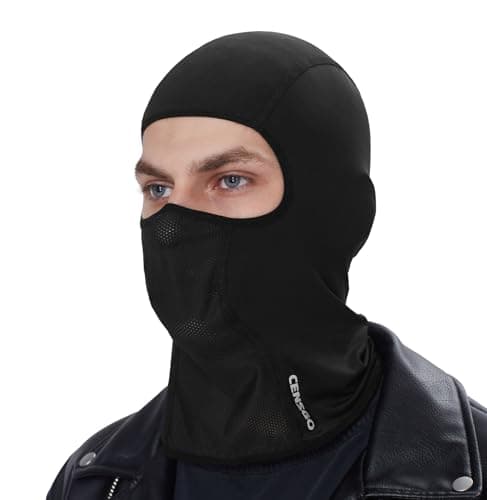
Keeping the liner clean and fine-tuning a slightly loose fit
CENSGO Motorcycle Balaclava / Helmet Liner
A thin under-helmet layer that keeps sweat and hair oil out of a liner you cannot easily wash — and takes up just enough room to settle a helmet that sits a shade loose.
Skip it if your helmet is already at the tight end of correct — a balaclava does not help in that direction, and cheek pads are the proper adjustment.
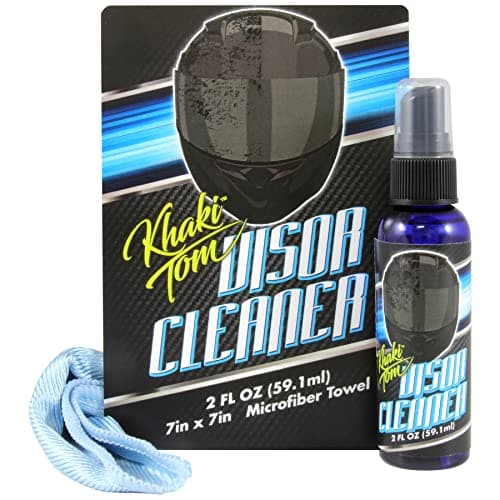
Routine shell and visor cleaning
Khaki Tom Motorcycle Helmet & Visor Cleaner
A helmet-and-visor-specific cleaner that ships with its own microfiber towel — the safe alternative to the household glass spray that quietly wrecks a visor coating.
Skip it if you only ever need to shift light road film — warm water and a mild shampoo already does that, and this is for the times it does not.
#ad · Prices as of Sep 18, 2026, pulled live from Amazon; where we have no verified price we show none. We may earn a commission.
Questions
Frequently asked
Can you change the cheek pads in a motorcycle helmet to adjust the fit?
Should a new helmet feel tight?
Do helmet cheek pads wear out?
Keep reading
Related
- How to measure your headGet the shell size right, then tune with pads.
- When to replace your helmetPadding refreshes fit; the shell still ages.
- How to clean your helmetKeeping the liner fresh extends its life.
- Best motorcycle helmets for glassesHelmets that mold a channel for the temple arm, so you don't have to thin the pads.
Receipts
Sources
We do not run a crash lab, and we do not pretend to. Certifications are cited to the standards body or the manufacturer's stated homologation; where a US model's certification differs from its European namesake, we say so. Where we could not verify something, we say so on the page rather than quietly leaving it out. Read our full method.