HUB 06 · Buying Guides & How-To
How to Clean Your Motorcycle Helmet
A clean helmet lasts longer, smells better and sees clearer — but the wrong products wreck visor coatings and shells. Here's the safe way to clean every part, and the things you should never do.
We earn a commission when you buy through our Amazon links, at no extra cost to you. It never changes a ranking, and we tell you when the cheaper helmet is the better buy. How this works.
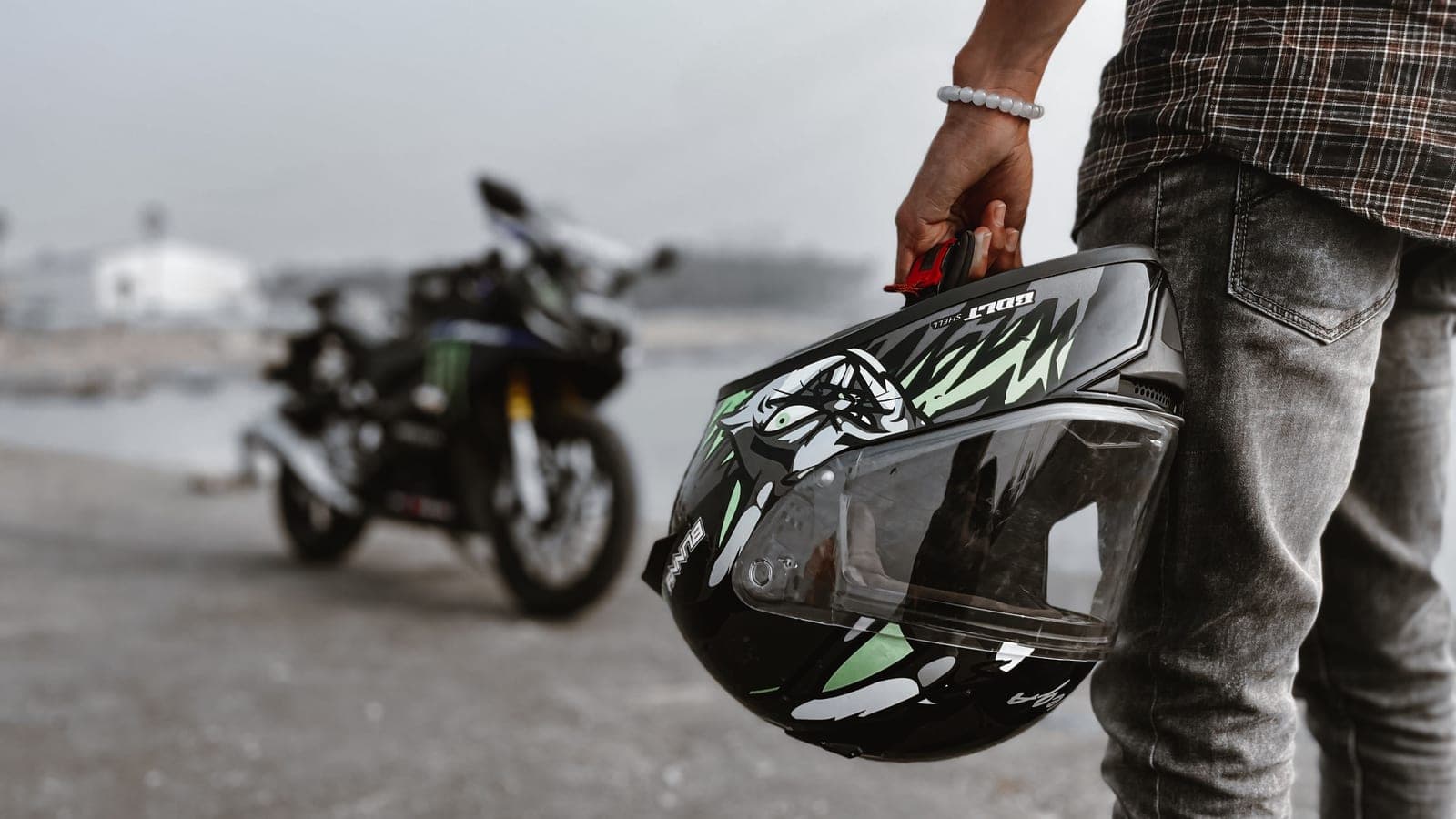
A helmet you clean properly sees more clearly, smells better and lasts longer — and a helmet you clean improperlyends up with a hazed visor and a degraded shell. The rules are simple but strict, because the materials involved (polycarbonate visors, painted composite shells, moisture-wicking liners) each hate the wrong product. Here's the safe method, part by part.
The golden rules
Two things above all. No solvents, petroleum products, or ammonia-based glass cleaners anywhere near the visor or shell — they attack polycarbonate and strip coatings, and their fumes can even degrade the EPS foam inside. And no abrasives— no scrubbing pads, no paper towel on the visor (it micro-scratches), no polishing compounds. Use warm water, a mild helmet-specific or baby shampoo, and soft microfiber cloths. That's almost everything you need.
The visor
Treat the visor as the delicate part it is. Lay a warm, damp microfiber cloth over it for a minute to soften dried bugs — never scrub them off dry, which drags grit across the surface. Then wipe gently with warm soapy water and a soft cloth, rinse, and pat dry with a clean microfiber. If you run a Pinlock insert, clean its soft inner lens with only a damp cloth — no soap, no rubbing. And if the visor stays hazy after cleaning, it may be scratched rather than dirty; see when to replace your visor.
The shell and vents
Wipe the outer shell with the same warm soapy water and microfiber; it lifts road film and squashed bugs without touching the paint or clear coat. For the vents, open them and clear the channels of grit and insects with a soft brush or compressed air — blocked vents kill airflow (see helmet ventilation explained). Don't pressure-wash a helmet; forcing water into the shell and EPS does no good.
The liner and cheek pads
This is what actually smells. If your liner and cheek pads are removable— most mid-range and premium helmets' are — take them out and hand-wash them in cool water with mild shampoo, gently squeeze (don't wring), and air-dry away from direct heat and sun. Never machine-dry them; heat can shrink the padding and damage the foam that sets your fit and protection. For non-removable liners, wipe with a barely-damp soapy cloth and air-dry the helmet upside down. A clean, dry liner also lasts longer and keeps its fit.
How often, and drying
Wipe the visor every ride or two (bugs etch in if left), clean the shell every few weeks, and wash the liner every few months or whenever it needs it — more in hot weather. Always let everything air-dry fully before storing or the padding can go musty. Store the helmet somewhere cool and dry, out of direct sun, ideally in its bag; UV and heat age both the shell and the visor over time.
Odor, storage and the little habits
Most helmet smell is bacteria in a damp liner, so the fix is as much about drying as washing. After a hot or wet ride, don't zip the helmet straight into a sealed bag — let it air out, ideally with the liner exposed, so moisture escapes rather than breeding odor. A helmet left damp in a hot car trunk is how a liner turns sour. For between-wash freshening, an alcohol-free helmet-interior spray helps, but nothing replaces letting it dry fully. Removable liners make this easy; if yours are fixed, air the helmet upside down somewhere ventilated.
A few small habits keep a helmet like new for years: store it out of direct sun and heat (UV ages both shell and visor), keep it in its cloth bag to fend off dust and scratches, and never hang it by the chin bar on a mirror where it can drop. Treat the visor as the delicate part it is — the visor replacement guidecovers when cleaning is no longer enough — and keep the vents clear so airflow stays strong. Ten minutes of care now and then genuinely extends a helmet's useful life.
The bottom line
Warm water, mild shampoo, soft microfiber, and patience with dried bugs — that's the whole method. No solvents, no abrasives, no machine-drying the liner. Ten minutes now and then keeps the visor clear, the liner fresh and the shell like new, and it costs nothing. A well-kept helmet is a safer, more pleasant one — and it holds its value if you ever sell it.
Low-cost add-ons
Small stuff that actually helps
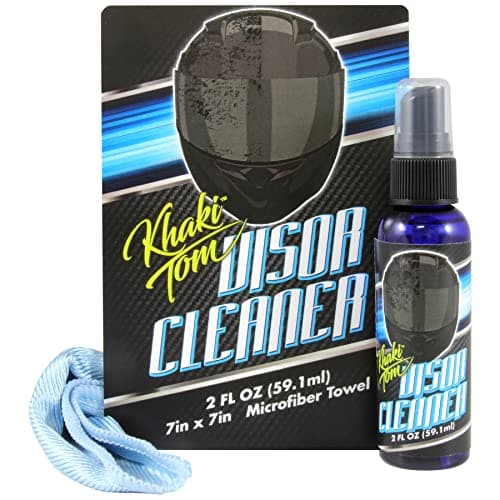
Routine shell and visor cleaning
Khaki Tom Motorcycle Helmet & Visor Cleaner
A helmet-and-visor-specific cleaner that ships with its own microfiber towel — the safe alternative to the household glass spray that quietly wrecks a visor coating.
Skip it if you only ever need to shift light road film — warm water and a mild shampoo already does that, and this is for the times it does not.
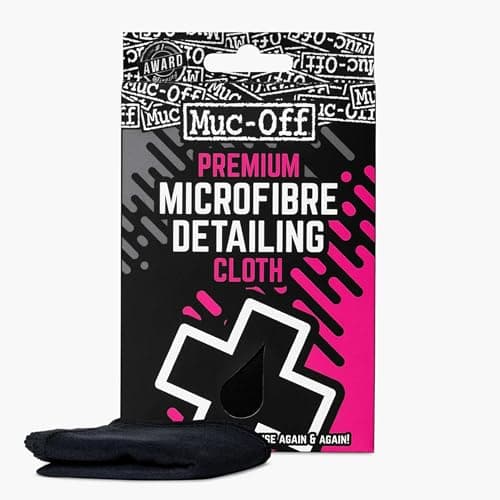
Visor wipe-downs without micro-scratching
Muc-Off Microfiber Detailing Cloth
A known motorcycle-care brand's microfiber cloth, sold for helmets, visors and goggles. Unglamorous, and the item most likely to save your visor from the scratches paper towel leaves.
Skip it if you already keep clean, dedicated microfiber cloths for the visor — this adds nothing over one you own.
#ad · Prices as of Sep 18, 2026, pulled live from Amazon; where we have no verified price we show none. We may earn a commission.
Questions
Frequently asked
What should I use to clean my motorcycle helmet?
Can I machine-wash my helmet liner?
How often should I clean my motorcycle helmet?
Keep reading
Related
- When to replace your visorIf cleaning doesn't restore clarity.
- Helmet ventilation explainedKeeping the vents clear keeps airflow strong.
- When to replace your helmetMaintenance extends its life, but the shell still ages.
- Cheek pads and liners explainedHow to get the padding out before you wash it — and back in after.
Receipts
Sources
We do not run a crash lab, and we do not pretend to. Certifications are cited to the standards body or the manufacturer's stated homologation; where a US model's certification differs from its European namesake, we say so. Where we could not verify something, we say so on the page rather than quietly leaving it out. Read our full method.