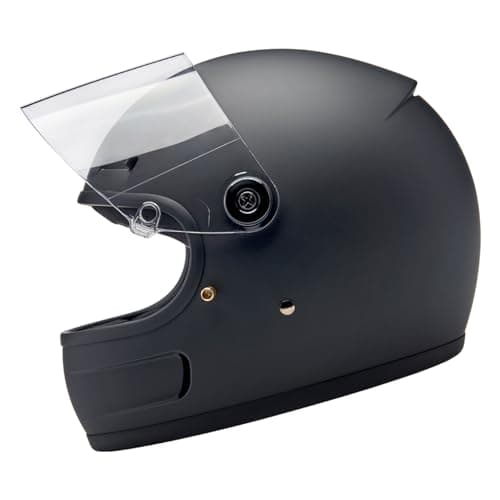
Short answer: the Biltwell Gringo SV carries DOT plus ECE R22.06- Biltwell states "US DOT FMVSS No. 218 compliant / ECE R22.06 certified" on its own product page, and the US Amazon listing carries R22.06 in the listing title. It has not been SHARP-tested and we have not sourced a Snell certification for it. Who that matters to: the rider who wants period styling and refuses to drop to the US legal minimum to get it - because in the retro class, DOT-only shells and chin-bar-less open-faces are the norm, and a named 22.06 is not.
We do not crash-test helmets and we have no lab. What follows is the published homologation and the independent test record read honestly, with every claim sourced at the foot of the page. For the full buyer's picture see our Biltwell Gringo SV review.
What ECE R22.06 on this shell actually means
DOT (FMVSS 218) is the US legal minimum, and it is self-certified - the manufacturer declares compliance, and NHTSA spot-checks the market rather than approving each model. ECE R22.06 is different in kind: it is a type approval verified by an independent lab, and it was the revision that added an oblique impact test measuring rotational acceleration, on top of the straight-line impact test that 22.05 already had. It also widened the number of impact points and test speeds and brought accessories into scope. The full detail is in our 22.06 explainer and the comparison with the other marks is in DOT vs ECE vs Snell vs SHARP.
The reason we treat this as a strong claim rather than a vague one is that Biltwell names the revision. Across the styling-led end of the market that is unusual - Simpson lists the Ghost Bandit and Mod Bandit as "DOT/ECE" without naming a revision, and Bell lists ECE for the Qualifier DLX without publishing the 22.05-or-22.06 code for the US unit. We will not assert a standard a maker has not published, which is why those helmets score lower on certification than this one does.
Three shells, five EPS sizes - the part that is genuinely about safety
The specification worth more attention than the certification code is the construction: three shell sizes with five EPS options. That means the shell and the energy- absorbing liner scale with your head rather than one shell being padded out across the whole size range.
Why that matters more than it sounds: every certification test assumes a helmet that stays in position on the head, and a shell two sizes too large for the skull inside it has more leverage to rotate and a thicker pad of comfort foam standing in for correctly sized EPS. Multiple shell and EPS sizes is one of the few construction details that genuinely improves the real-world outcome rather than the spec sheet - and it is the first thing cut on a cheap helmet. If helmets in your size have rocked or pinched before, read helmet head shapes explained and how to measure your helmet size.
What the Gringo SV does not have
| Standard / rating | Biltwell Gringo SV | What that means here |
|---|
| DOT (FMVSS 218) | Stated by Biltwell | US legal minimum; self-certified |
| ECE R22.06 | Stated by Biltwell; R22.06 in the US listing title | Independently lab-verified, includes the oblique rotational test |
| Snell M2025 | Not sourced | Snell is a Shoei/Arai-leaning voluntary standard; absence here is normal |
| SHARP stars | Not tested | No comparative star score exists, so 22.06 is the whole of the evidence |
| MIPS | No | The 22.06 oblique test is the rotational provision here, not a slip liner |
The absence to actually weigh is SHARP. A type approval is a pass against a threshold; a SHARP star rating is a comparative crash-test result, and it is the strongest evidence a helmet can carry. SHARP tests a limited set of mostly European models and the Gringo SV was not among them - so if an independent star score is your decision rule, our safest motorcycle helmets guide lists the models that have one.
What the classic look costs: weight, venting and fog
The certification is good. The compromises are real, and they are all downstream of designing a 1970s silhouette rather than an aero project.
It is heavy for a full-face at a published 3.69 lb (about 1,674 g), in injection-moulded ABS rather than a composite - for comparison the HJC RPHA 12 holds the same 22.06 approval in a composite shell at about 1,474 g, which is 200 g less (the material ladder is in helmet shell materials explained). There is no drop-down sun visor and no published Pinlock provision, so sun and fog are managed entirely by the shield you choose - read how to stop your visor fogging and photochromic vs tinted vs clear shields before cold-weather riding. And ventilation is basic by touring standards: vent ports added to a classic shell. On the plus side it has moulded EPS ear pockets and a removable, washable liner, so it takes a comms unit and a wash.
How it compares against helmets with the same approval
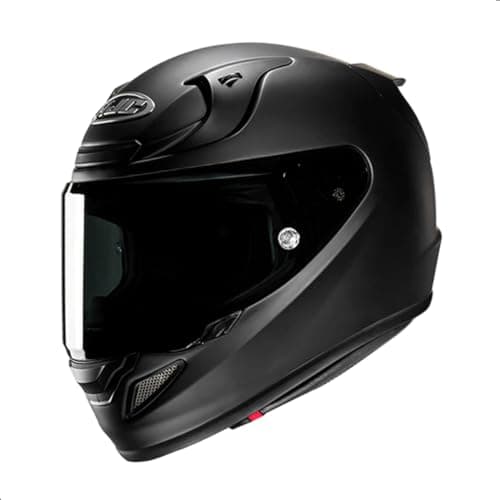
HJC RPHA 12 - the same genuine DOT + ECE 22.06, in PIM EVO composite (fiberglass, carbon and aramid) at a published ~1,474 g, with a Pinlock-ready HJ-42 shield included. Who it is for: the rider who wants the same certification with 200 g less weight and real fog provision, and does not care about retro styling. Honest cons: no SHARP result, no sun visor, sporty snug fit. RPHA 12 review.
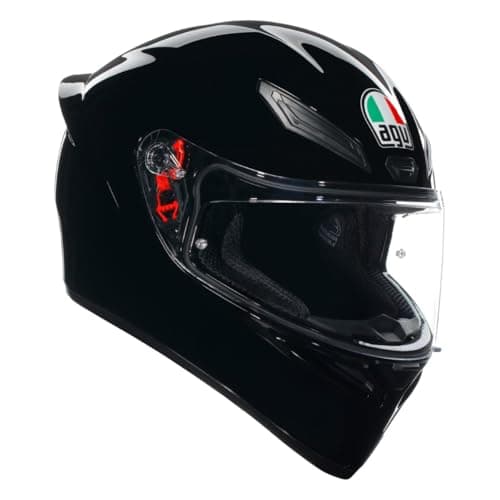
AGV K1 S - genuine DOT + ECE 22.06 in high-resistance thermoplastic at about 1,600 g, with a race-derived aero profile and a wide eyeport. Who it is for: the rider who wants the cheapest named 22.06 and a sporting shape. Honest cons: heavier than the RPHA 12, feels like the cheaper construction, no sun visor, no SHARP score. K1 S review and its own safety rating page.
The verdict on the Gringo SV's safety rating
It is the strongest certification story in the retro full-face class, and that is a genuine achievement rather than a marketing line: Biltwell names ECE R22.06 where most styling-led brands name nothing. What it is not is the strongest certification story among full-face helmets generally - there is no SHARP result, no Snell, and no MIPS, so the 22.06 approval carries the whole argument. Buy it because you want the classic look with a current standard behind it and will accept the weight, the basic venting and the shield-only fog management. If the look is incidental and the evidence is the point, go to safest motorcycle helmets; if the look is the whole point, the class is ranked at coolest-looking certified helmets.