A more expensive helmet is reliably lighter, quieter, better finished and better integrated with comms. It is not reliably better certified - and certification is the one thing most riders assume they are buying. The cheapest helmet on this page, the AGV K1 S, carries genuine DOT + ECE 22.06. The most expensive one, the Shoei Neotec 3, is a DOT build in the US. If certification-per-dollar is your question, the answer is the HJC RPHA 91: ECE 22.06 with P/J homologation and an independent SHARP 4/5 score at mid-tier money.
This page exists because "spend more, get safer" is the most common assumption in helmet buying and it is only partly true. We have not crash-tested anything here; the certifications come from the standards bodies and each maker's published homologation, and they describe the US-market build. Live prices in the table come from the retail listings and carry the date they were checked, so you can see the spread for yourself rather than trusting a number we typed last year.
What your money actually buys
Roughly five things, in order of how much you notice them. Shell material and weight: polycarbonate at the bottom, multi-ply composite in the middle, carbon and carbon-aramid at the top, and the spread across this page is over 600 g. Shell and EPS sizes: a premium helmet is built in four or five shell sizes so the shell sits close to your actual head, where a budget lid stretches two shells across the range and pads out the difference. Aerodynamics and sealing: wind-tunnel shells, deep neck rolls and chin curtains, which is where quiet comes from. Interior quality: plusher, removable, washable liners that still fit after two seasons. And comms integration: purpose-built channels and first-party units that beat any bolt-on for fit and finish.
What it does not buy: the mark on the shell
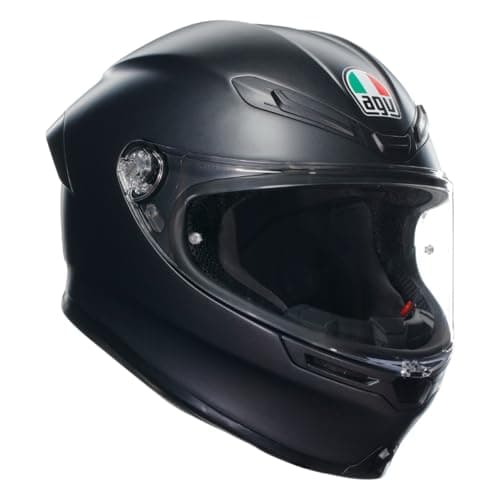
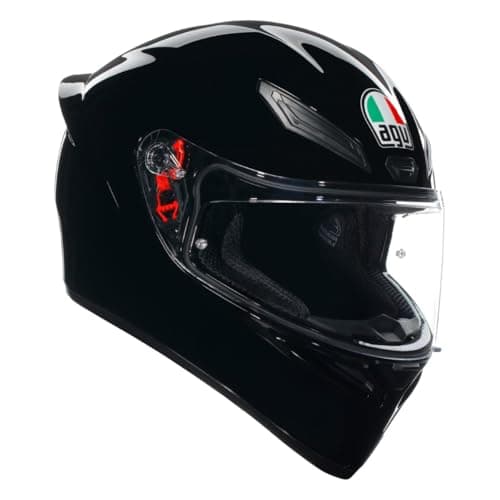
Here is the comparison that makes the point. The AGV K1 Sis a thermoplastic sport full-face at the bottom of this page's price range, and it carries genuine US DOT + ECE 22.06. The AGV K6 S costs multiples of it and carries - genuine US DOT + ECE 22.06. Same standard, same brand. What the K6 S adds is 345 g less weight, a carbon-aramid shell, and an independent SHARP 5/5 score the K1 S does not have, because SHARP never tested it. That is a real difference, and it is a difference in evidence and refinement, not in the standard the helmet was approved to.
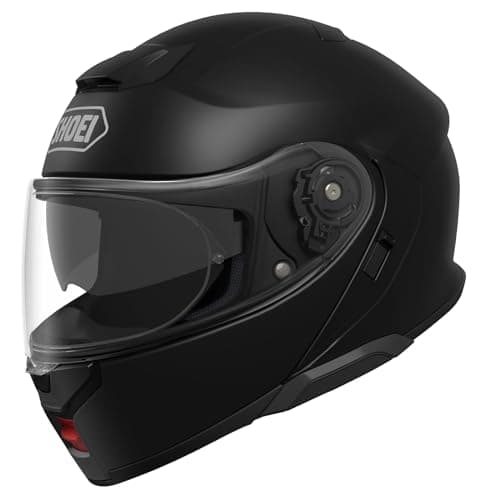
Then there is the direction nobody expects: the US Shoei Neotec 3 is the most expensive helmet here and the least certified on paper - a DOT build, where the European Neotec 3 is ECE 22.06 P/J with a 5/5 SHARP score. Same name, different homologation by region. If you have ever read a glowing review of a 22.06 flagship and assumed it applies to the box on the US shelf, our certification explainer is the page to read before you spend.
What it does buy, measurably: grams
Weight is the one premium claim that is unambiguous, published and easy to verify. The K6 S is about 1,255 g. The K1 S is about 1,600 g. The RPHA 91 flip-up is about 1,740 g and the Neotec 3 about 1,880 g. Three to six hundred grams does not sound like much in a shop and is very obvious at hour six, especially in heat or on a bike with no screen. If you ride long days, this is the single best reason to spend up - see helmet weight explained for what each shell material actually gets you.
And quiet - but less than you hope
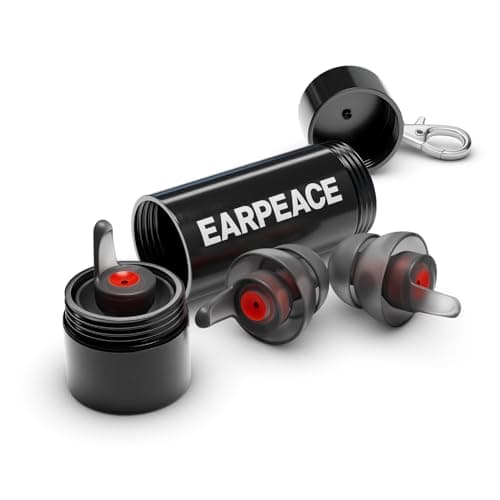
Premium touring helmets genuinely are quieter, and the engineering behind it is real. But the dominant noise a rider hears above about 40 mph is aerodynamic, and research at the University of Southampton's Institute of Sound and Vibration Research found that turbulence off the top edge of a motorcycle's windscreen is a primary source - which is why a helmet that is quiet on one bike can be noisy on another. The gap between the quietest helmet made and an average one is a few decibels; filtered earplugs are worth 15-25 dB. Spend $900 on a helmet if you want, but spend $30 on earplugs first - our noise guide ranks the fixes by how much they actually help.
The four helmets, and who each is for
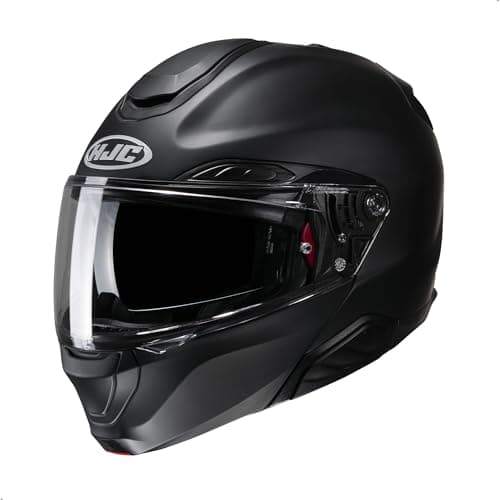
HJC RPHA 91 - ECE 22.06 P/J, SHARP 4/5, drop-down sun visor, mid-tier price. Who it is for: the rider who wants the strongest documented safety story per dollar and will accept flip-up weight to get it. Full detail in the RPHA 91 review.
AGV K6 S - ~1,255 g carbon-aramid, DOT + ECE 22.06, a perfect SHARP 5/5. Who it is for: the rider for whom spending up has to buy something measurable; this is the clearest case on the page that it can. No sun visor, sporty fit - see the K6 S review.
AGV K1 S - thermoplastic, ~1,600 g, DOT + ECE 22.06 at the bottom of the range. Who it is for: the new rider, the second-helmet buyer, and anyone who wants proof that the current standard is not a luxury. It is heavier, louder and plainer - and it is approved to the same standard as the K6 S. See the K1 S review.
Shoei Neotec 3 - the quiet-touring benchmark, AIM composite, ~1,880 g, US DOT build. Who it is for: the long-distance tourer who values silence, finish and the SRL3 comms integration above the certification label, and who knows what the US build is. The Neotec 3 review spells it out.
So - worth it?
If you ride long days, ride year-round, run comms, or have a head shape that needs a shell size that actually matches it: yes, and the step from a budget lid to a good mid-tier helmet is the most worthwhile money in motorcycling. If you ride short trips in mild weather a few times a month: a current-standard helmet like the K1 S plus earplugs and a Pinlock insert will serve you better than a flagship you bought instead of gear. What you should never do is read price as a proxy for certification - check the mark on the box you are buying, every time.
When spending more is worth it
You ride long days. Weight and quiet compound over hours, and both scale with price. This is the strongest case for a flagship.
You need a shell size that fits your head. More shell and EPS sizes is a premium feature with a safety rationale: the EPS is what manages the impact, and it works best when it is close to your head rather than separated by a pile of comfort padding. If you are at either end of the size range, this matters more than the badge - our head-shape guide covers the fit side.
You run comms, or wear glasses. Purpose-built comms channels and documented eyewear-friendly interiors live further up the range. See helmets for glasses for which models publish an eyewear claim rather than implying one.
When it is not
You ride occasionally, in good weather. A current-standard budget helmet that fits properly out-protects an ill-fitting flagship, and fit is free.
You would be skipping the cheap wins to afford it. Earplugs, a Pinlock anti-fog insert and a clear spare shield cost a fraction of a helmet upgrade and fix the three things riders complain about most. Our Pinlock guide covers the fog half.
You are buying the review and not the build. The 22.06 helmet in a European review is frequently a different homologation under the same name in the US. That is a free downgrade you pay flagship money for if you do not check.