The coolest-looking helmet we can fully stand behind is the Biltwell Gringo SV - because it is the rare helmet that gives you the period look andnames its certification, with Biltwell stating "US DOT FMVSS No. 218 compliant / ECE R22.06 certified" on its own product page. Who it is for: the cruiser, scrambler or retro rider who wants the classic silhouette and refuses to drop to the US legal minimum to get it. The other three picks here are cool in different directions - modern carbon, the Simpson icon, and the open-face classic - and we grade each on what it can actually prove, because that is the part the styling photos never tell you.
Let us be plain about the thing that makes this page awkward. "Cool motorcycle helmets" is a huge search, and most of what it returns is novelty shells, matte-black marketplace lids with no traceable homologation, and "custom" paint on helmets whose certification nobody will name. We are not going to recommend those, and we are not going to pretend a look is a safety feature. We also have not tested any of these helmets - we read the published homologation, cite it, and aggregate owner reports. What this page does is accept that styling matters to real buyers and then rank on the only axis that is defensible.
How we ranked "cool"
Certification first, again. A helmet bought for its looks is still the thing between your head and the road, so the top of the list goes to the helmet whose look costs you the least documentation. Then coverage: a chin bar protects the single most-struck region of a helmet, and an open-face simply does not have one - that is a trade, not a detail. Then the actual design: shell profile, how low it sits on the head, whether the shell scales with size rather than being padded out, and the aftermarket of shields and peaks it accepts. Then the practical cost of the look - noise, sun and fog provision - because retro shells were not designed in a wind tunnel.
| Helmet | The look | Certification (US build) | Chin bar? | What the look costs you |
|---|
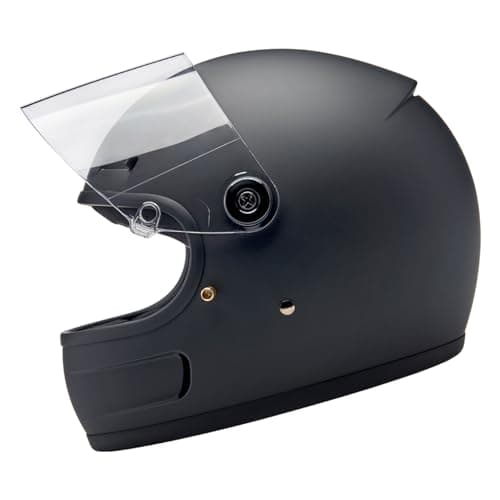
| Biltwell Gringo SV | 1970s full-face, bubble-shield era | DOT + ECE R22.06 (stated by Biltwell) | Yes | ~1,674 g, no sun visor, basic venting |
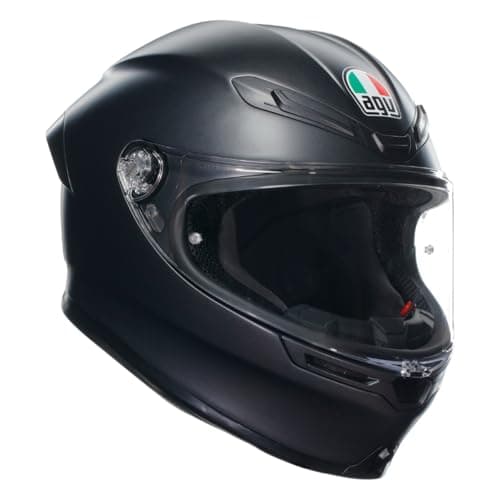
| AGV K6 S | Modern racing carbon-aramid | DOT + ECE 22.06, SHARP 5/5 | Yes | No sun visor, sport-snug fit |
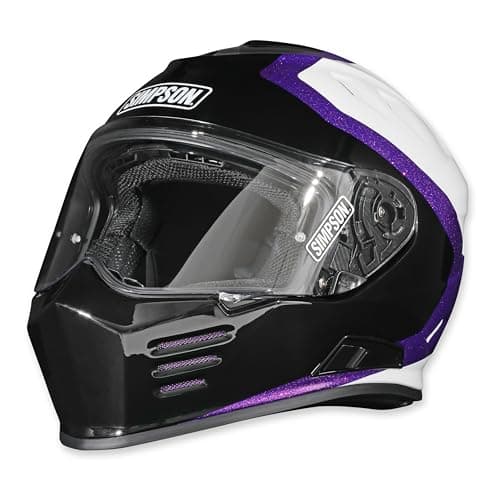
| Simpson Ghost Bandit | The Bandit silhouette - nothing else looks like it | DOT; ECE revision not published | Yes | Reported wind noise, uncertain ECE code |
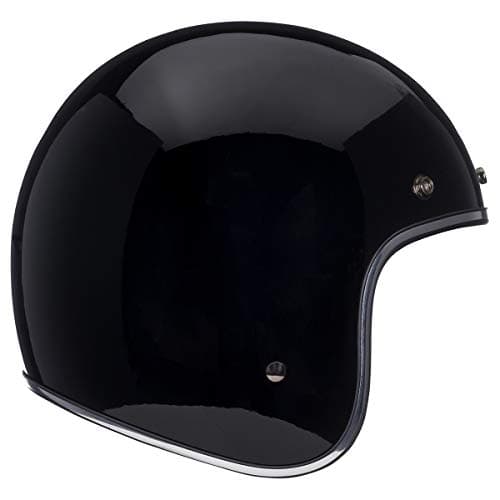
| Bell Custom 500 | Classic low-profile three-quarter | DOT; ECE unverified | No | No chin bar, no shield or seal in the box |
Biltwell Gringo SV - the look without the compromise
The Gringo SV is the answer to the question this page exists for: can you have the vintage silhouette and still name a current standard? Biltwell says yes in print, and the US Amazon listing carries R22.06 in the title. It is built in three shell sizes with five EPS options, so the shell genuinely scales with your head instead of being one shell padded out, and it has molded EPS ear pockets and a removable washable liner - so it takes a comms unit and a wash. Who it is for: the retro rider who wants the oblique rotational-impact revision on the box.
The honest cons are real and worth knowing before you buy the look. It is heavy for a full-face at a published 3.69 lb (about 1,674 g) in injection-molded ABS rather than a composite. There is no drop-down sun visor and no published Pinlock provision, so sun and fog are managed with the shield you have - read how to stop your visor fogging before you ride it cold. Ventilation is vent ports in a classic shell, not an aero project. Full detail in the Gringo SV review and the certification on its own page at Biltwell Gringo SV safety rating.
AGV K6 S - cool in the modern direction, and the best-documented helmet here
If your idea of a good-looking helmet is a carbon racing shell rather than a vintage one, this is the pick, and it happens to have the strongest evidence on the page: genuine DOT + ECE 22.06 and a full 5/5 SHARP result, in carbon-aramid at about 1,255 g. The shape is the point - low, compact, with the huge racing-derived eyeport - and the graphics range is where AGV spends its design budget. Who it is for: the sport rider who wants the look and the best test data available.
The honest cons: no internal sun visor, and the sporting fit pinches round heads. It is also the most expensive helmet here. More in the AGV K6 S review.
Simpson Ghost Bandit - the icon, with the caveat we will not bury
Nothing else looks like a Bandit, and that is the entire reason the line exists. The Ghost Bandit is the touring member of the family: a composite shell at a published 3.46 lb with a drop-down internal sun visor and molded speaker and microphone pockets, so it actually tours and takes a comms unit - which the older Bandits do not. Who it is for: the rider for whom the silhouette is non-negotiable and who wants it with touring features.
The honest cons, stated plainly: RevZilla lists the US Ghost Bandit as "DOT/ECE certified" but does not name the ECE revision, and Simpson does not publish a 22.05-versus-22.06 code for the US unit - so you cannot assume the current standard. Owner feedback collected by RevZilla repeatedly flags highway wind noise and inconsistent sizing, and sizes and colorways are separate listings at different prices. If the certification code is what you buy on, the Gringo SV above gives you a retro look with 22.06 named. The whole line is graded in are Simpson helmets good?
Bell Custom 500 - the classic open-face, and the biggest trade on this page
The Custom 500 is the default good-looking three-quarter lid, and an unusually honest one: five separate shell and EPS sizes so the shell really scales, a thin-profile shell that sits low rather than ballooning above your head, and the integrated 5-snap pattern that accepts the entire aftermarket of bubble shields, flat shields and peaks. That snap pattern is the reason this helmet is a styling platform rather than just a helmet. Who it is for: the around-town cruiser rider who wants the classic look and will accept the coverage trade knowingly.
The honest cons are the biggest here. There is no chin bar, so the most-struck part of a helmet is simply not covered, and no open-face can fix that - it is the trade you are making, not a flaw in this particular helmet. It is sold in the US as a DOT build and US listings disagree with each other about ECE, so we do not assert a revision. There is also no shield, no seal and no sun visor in the box, which means eye protection and wind noise are on you. The class is covered in best open-face motorcycle helmets, the model itself in our Bell Custom 500 review, and if you want the classic look with coverage, read full-face vs open-face helmets.
What about custom paint and marketplace "cool" helmets?
Two warnings, both practical. First, repainting a helmet can void its certification: solvents in some paints and primers attack the shell and the adhesives underneath, and a shell that has been chemically softened no longer matches the one that was type-approved. If you want a custom finish, buy a factory graphic or have the work done by a painter who works in helmet-safe materials, and accept that you are outside the approval either way. Second, a helmet whose certification nobody will name is not a bargain regardless of how it looks - and the novelty-shell end of this category is full of them. We will not list one.
Styling also has a maintenance cost people forget. Gloss and matte finishes both mark, and cleaning a helmet wrongly ruins the look faster than riding it does - the method is in how to clean your motorcycle helmet, and the retro shells here have no Pinlock provision, so which shield tint you choose matters more than it does on a touring helmet.
So which one?
Want the vintage look with a certification you can name? The Biltwell Gringo SV. Want modern carbon and the best test data on this site? The AGV K6 S. Want the Simpson silhouette specifically, with touring features, and you accept the unpublished ECE revision? The Simpson Ghost Bandit. Want the classic open-face and you ride in town at town speeds? The Bell Custom 500 - with the chin-bar trade fully in view. And if the look is a bonus rather than the brief, best motorcycle helmets of 2026 ranks the whole market on evidence instead.