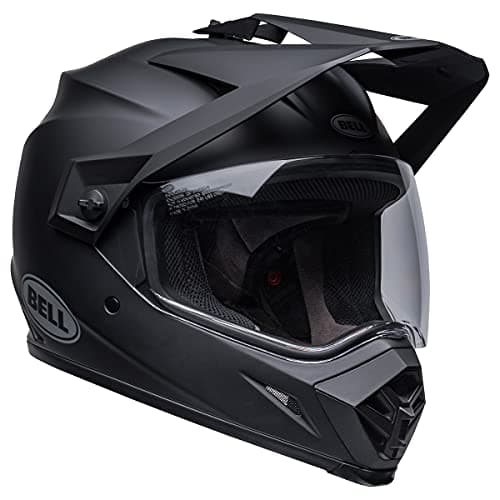
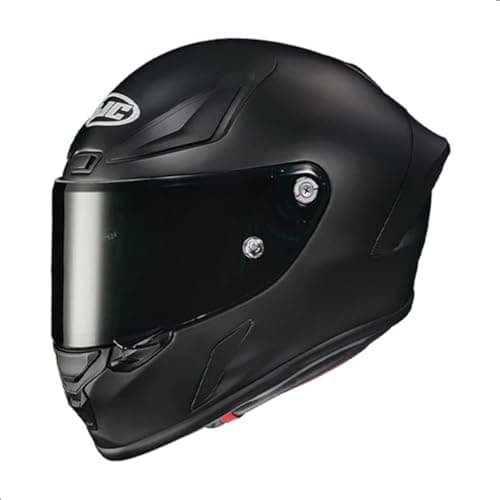
The best motorcycle helmet under $500 is the HJC RPHA 1N, because it is the only helmet in this bracket carrying DOT, ECE 22.06 and FIM racing homologation - three separately tested approvals - in a PIM+ carbon shell at a published ~1,510 g. The budget pick is the Bell MX-9 Adventure MIPS, which costs about half as much and still carries DOT, ECE 22.06, a MIPS layer and an independent SHARP rating of 4 out of 5. Who this page is for: a rider who found the sub-$300 shelf good but not exciting, is not spending flagship money, and wants to know exactly what the extra two hundred dollars buys.
The short answer is that it buys the extra certifications and the shell material. We worked the cheaper brackets through in best helmets under $200, where ECE 22.06 was a single-helmet exception, and best helmets under $300, where it became the normal answer. Push the ceiling to $500 and three new things appear that no cheaper bracket offers: FIM homologation, Snell M2025, and genuine carbon construction - in a flip-front, no less.
How to read the prices here. We do not print dollar figures in prose, because they go stale and a stale number is worse than no number - the buy module on each pick carries the live price pulled from the Amazon product API, stamped with the date it was checked, and that card is the authoritative figure. All six were under $500 when this page was built, and two sit within a dollar or two of the line, so treat the headline as the bracket we shopped in rather than a promise about any one number. We have not worn or crash-tested any of these helmets. What we have done is read what each maker will commit to in writing, and check whether anybody independent has tested it.
How we ranked six helmets under $500
The criteria, in this order:
- Named certifications, and their revisions. DOT (FMVSS 218) is self-certified. ECE 22.06 is an independently lab-tested type approval with production sampling, an oblique rotational-impact test and far more impact points than 22.05. FIM is a separate racing homologation on top of both. Snell is an independent voluntary standard that in the US usually arrives instead of ECE. Detail in DOT vs ECE vs Snell vs SHARP.
- Independent test data where any exists. SHARP buys helmets anonymously and runs 32 impacts across seven samples for a 1-to-5 star rating. Exactly one pick below has a SHARP score of its own, and it is the cheapest helmet here.
- Shell material and published weight in a stated size. This is the bracket where carbon arrives, and the spread below is more than 600 grams.
- Format coverage. The six picks are a sport full-face, a sport-touring full-face, a modular, an off-road helmet, an adventure helmet and a budget adventure lid - so the page answers more than one rider.
1. HJC RPHA 1N - three approvals, one helmet
Nothing else in this bracket comes close on documentation. The RPHA 1N holds DOT, ECE 22.06 and FIM racing homologation - and FIM is the approval required to race internationally, a separately tested standard rather than a sticker. PIM+ carbon shell, published ~1,510 g, and an ACS ventilation layout with five intakes and four exhausts that genuinely moves air at speed. Who it is for: a sport rider or track-day regular who wants race-legal paperwork without paying race-flagship money.
Full detail in the HJC RPHA 1N review, the certification breakdown in the RPHA 1N safety rating, and the sibling comparison in RPHA 1N vs RPHA 12.
The honest cons. It has never been SHARP-tested, so there is no independent star rating - only approvals. It is a race-biased helmet: the ventilation that works at 100 mph is loud at 40, there is no sun visor, and the interior is cut tight. It is also 125 g heavier than a flagship like the AGV K6 S that sits just above this bracket.
Who should skip it: commuters and tourers. Noise is the price of that airflow - start with the quietest helmets instead.
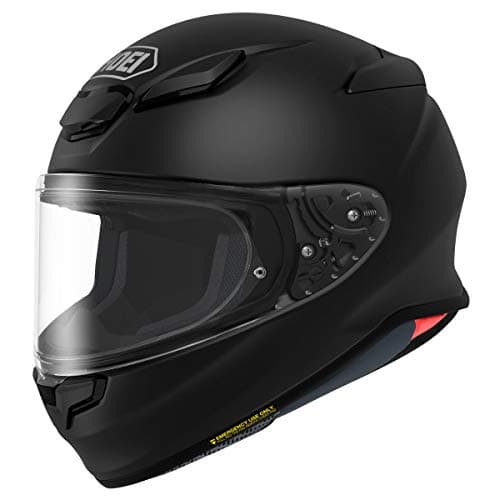
2. Shoei RF-1400 - the Snell option, and the quietest helmet here
The RF-1400 is the cheapest route into Snell M2025 on the US market and it lands just inside this bracket: multi-ply AIM+ composite shell, published ~1,385 g - the lightest helmet on this page - and a European twin, the NXR2, holding a 5-out-of-5 SHARP rating. What you feel day to day is the CWR shield seal, which shuts properly and stays shut; that drives both rain ingress and wind noise, and it makes this the quietest pick here by a clear margin. Who it is for: a sport-touring rider who wants Snell and quiet, and will give up the European approval to get them.
Context in best Snell-certified helmets and the best Shoei helmets.
The honest cons. The 5/5 SHARP score belongs to the European NXR2, not the US unit, and we do not transfer star ratings across differently homologated builds. The US RF-1400 is not ECE 22.06. No sun visor. Shoei's interior is intermediate-oval, so it will pinch a round-oval head. And it is the joint most expensive helmet in the bracket.
Who should skip it: anyone who specifically wants the current European approval - the RPHA 1N above has it and costs less.
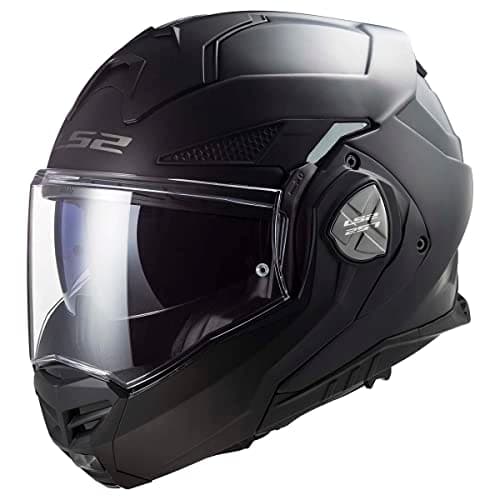
3. LS2 Advant X - a carbon flip-front for under $500
This is the pick that makes the bracket interesting. A forged carbon modular at a published ~1,550 g, holding DOT plus ECE 22.06 with a P/J dual homologation - meaning it is tested and legal both closed and open, which is the single most important claim on a flip-front - with a drop-down sun visor and a Cardo-ready channel. It is roughly 190 g lighter than any other modular we rate, and the nearest comparable flip-front certification costs several hundred dollars more. Who it is for: a commuter or tourer who wants a lifting chin bar, a sun visor and the current standard, at the top of this bracket rather than twice it.
Detail in the LS2 Advant X review, and the flagship comparison in Advant X vs Shoei Neotec 3.
The honest cons. Never SHARP-tested, so the only modular we rate with independent stars is the pricier HJC RPHA 91. LS2 does not have the parts-availability or dealer record of Shoei or HJC, which matters on a helmet with a mechanism. And it sits within a dollar of the $500 line, so a small price move puts it over.
Who should skip it: riders who want independent test data on a flip-front, and anyone who wants the quietest modular - that is a different, more expensive helmet.
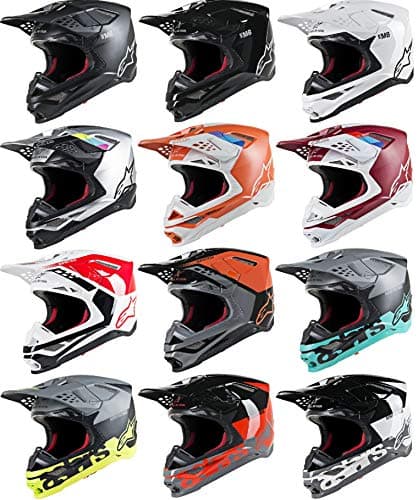
4. Alpinestars Supertech M8 - carbon and MIPS, for off-road
The M8 is the cheapest way into Alpinestars' carbon off-road range and the lightest helmet in this bracket by shell weight: a carbon-composite-and-aramid shell at a published ~1,300 g (plus or minus 50 g), with DOT, ECE 22.05 and MIPS. The MIPS layer is the thing to note - it is a low-friction slip plane designed to reduce rotational force, and only two helmets in our catalog pair it with carbon. Who it is for: a dual-sport or off-road rider who wants a genuinely light carbon lid with a rotational-management layer, and already owns goggles.
Our MIPS explainer uses it as a worked example, and the brand picture is in are Alpinestars helmets good.
The honest cons. It is ECE 22.05, not 22.06 - the older revision, without the oblique rotational test, which is a real step down from the two helmets above and the reason it ranks fourth rather than first on weight. There is no face shield, so goggles are mandatory and the running cost is higher. Never SHARP-tested. And an off-road shell with a peak is noisy and draughty above about 60 mph.
Who should skip it: road riders, and anyone treating MIPS as a substitute for a current certification. It is not - the explainer says why.
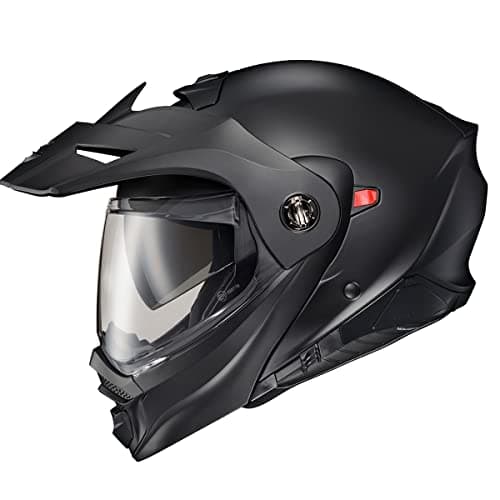
5. Scorpion EXO-AT960 - the most helmet in the bracket
On sheer capability per dollar nothing here competes. The EXO-AT960 is a three-in-one: an adventure helmet with a removable peak, a drop-down sun visor and a flip-up chin bar, holding DOT plus ECE 22.06 in an LG polycarbonate shell at a published ~1,860 g. One helmet covers commuting, touring and ADV duty, and it does it well inside this bracket. Who it is for: a rider who owns one helmet and needs it to do everything, or a new ADV rider who does not yet know which configuration they will settle on.
Full write-up in the Scorpion EXO-AT960 review, and the dedicated bracket page in best adventure helmets under $500.
The honest cons. It is the heaviest helmet on this page by over 300 g - every mechanism costs grams and this helmet has three. Polycarbonate is the cheapest shell material here. Never SHARP-tested. And a helmet that does four jobs does none of them as well as a specialist: it is noisier than the Shoei, heavier than the LS2 and less protective at speed than the HJC.
Who should skip it: anyone who already owns a second helmet. Buy the specialist instead.
6. Bell MX-9 Adventure MIPS - the budget pick, and the only SHARP score here
This is the budget pick: around half the price of the winner, and the only helmet on this page with an independent crash rating of its own. DOT, ECE 22.06, a MIPS layer and an independent SHARP 4 out of 5, in a polycarbonate shell at a published ~1,696 g. If what you want is the most tested helmet per dollar in this bracket rather than the most approvals, this is it - and it is the helmet we put at the top of our under-$300 roundup for exactly that reason. Who it is for: a rider who wants proof rather than paperwork, and would rather spend the difference on gear.
Detail in the Bell MX-9 Adventure review and its safety rating.
The honest cons. Polycarbonate shell, so it is heavy for an adventure helmet at ~1,696 g and it will not feel premium. No sun visor. The peak generates more lift at highway speed than the engineered peaks on pricier ADV lids, and the ventilation is adequate rather than good. It is the least refined helmet on this page, and it out-certifies most of them anyway.
Who should skip it: riders who tour at highway speed every weekend - peak lift and noise get old. Read best adventure touring helmets.
What $500 buys that $300 does not
Three things, concretely. FIM homologation, which does not exist at any lower price in our catalog and is a genuinely separate racing approval. Snell M2025, which has no cheaper entry point on the US market at all. And carbon construction - in both a sport full-face and, unusually, a flip-front.
What $500 does not buy is more independent test data. The only SHARP-rated helmet on this page is the cheapest one. That is the honest shape of the market: approvals scale with price, independent testing does not, because SHARP tests what it chooses to test and the mid-market gets more attention than the top. If independent data is your single criterion, read the safest helmets we can document before you spend anything.
The verdict
Buy the HJC RPHA 1N. DOT, ECE 22.06 and FIM in a carbon shell at ~1,510 g is the most certification available anywhere near this money, and no cheaper bracket offers it.
Buy the Bell MX-9 Adventure MIPS if value is the point - it is half the price and the only pick here with an independent star rating. Buy the Shoei RF-1400 for Snell and quiet. Buy the LS2 Advant X for a carbon flip-front with P/J. Buy the Scorpion EXO-AT960 if one helmet has to do everything, and the Alpinestars Supertech M8 if you ride dirt and want carbon with MIPS.